Cultivation of Chinese medicinal herbs requires adapting measures to local conditions and emphasizing standardized management
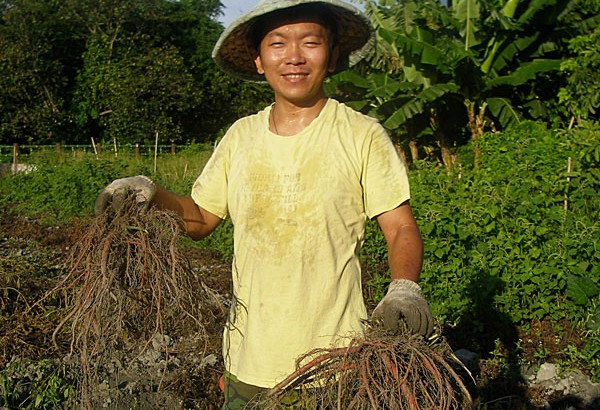
Cultivation of Chinese medicinal herbs refers to the production activity of artificially cultivating medicinal plants for the purpose of obtaining medicinal materials, covering multiple stages from site selection and land preparation, seeds and seedlings, field management, to harvesting and processing. Compared with ordinary crops, Chinese medicinal herbs place greater emphasis on the quality of the medicinal materials and the content of active ingredients, so the requirements for the growing environment are usually more stringent.
There are many kinds of Chinese medicinal herbs suitable for artificial cultivation, commonly including Platycodon grandiflorus (balloon flower), Salvia miltiorrhiza (red sage), Polygonatum sibiricum (Siberian Solomon's seal), Bletilla striata (hyacinth orchid), Gardenia jasminoides (gardenia), Lonicera japonica (Japanese honeysuckle), Gastrodia elata (tianma), etc., covering herbaceous, shrub and other types. Different medicinal herbs have quite different habits; some prefer shade and moisture, while others tolerate drought. Before planting, suitable varieties should be selected according to local climate, soil and altitude conditions.
In terms of management, the cultivation of Chinese medicinal herbs stresses matching the herb to the site and sowing at the right time. Water and fertilizer regulation and pest and disease control during the growing period directly affect the quality of the medicinal materials. As the concept of standardized cultivation is gradually promoted, more and more production areas and farmers are beginning to organize production according to standards, control pesticide residues, and strive to make medicinal materials safe, stable and controllable.
The cultivation of Chinese medicinal herbs is also an important way for many regions to develop distinctive industries and boost farmers' incomes. Relying on local resources, various places have formed medicinal herb production areas with their own characteristics. It should be noted that the medicinal herb market fluctuates considerably, and growers should avoid blindly following trends in introducing varieties. It is advisable to first understand the supply and demand situation and cultivation techniques, and then steadily arrange the scale of production.
Related Reading