Disinfection protocols on farms are the first line of defense for farm biosecurity
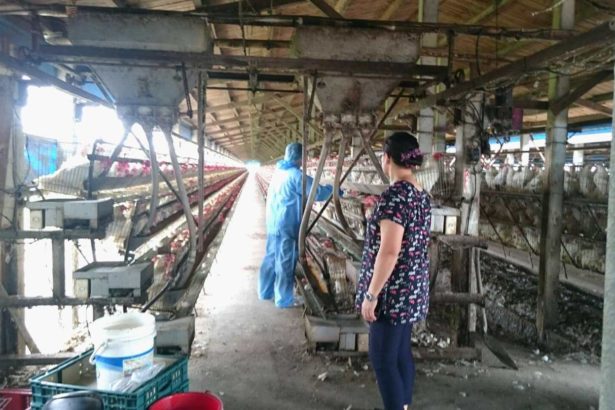
A farm disinfection protocol refers to a complete set of standardized disinfection management rules established by a farm to prevent and control animal diseases, covering the farm environment, pens, equipment, personnel and vehicles. It usually specifies in written form the disinfection targets, types of disinfectants, use concentrations, operating frequency, responsible persons and record-keeping methods, and is an important part of a farm's biosecurity system.
In terms of content, disinfection protocols generally cover three categories: routine disinfection, periodic disinfection and emergency disinfection. Routine disinfection mostly targets routine cleaning for people and vehicles entering and leaving and for production areas; periodic disinfection is often combined with the empty-pen period, thoroughly cleaning pens before disinfecting them; when an outbreak occurs in the surrounding area or on the farm, emergency disinfection must be activated, with increased frequency and expanded scope. Common disinfectants include alkalis, chlorine preparations, peroxides and aldehydes, and the specific choice should be determined according to the disinfection target and the characteristics of the pathogen.
The core value of implementing a disinfection protocol lies in cutting off pathogen transmission routes, reducing the risk of major disease outbreaks, and at the same time reducing the use of veterinary drugs and improving farming efficiency and product quality. Many large-scale farms also incorporate disinfection records into file management to facilitate routine inspection and traceability.
It should be noted that before disinfection, cleaning and washing should be carried out first to remove organic matter such as manure and feed residues, otherwise the disinfection effect will be significantly reduced. Disinfectants should also be used in rotation to avoid pathogens gradually developing tolerance. In addition, disinfection can only reduce risk and cannot completely replace vaccination and routine feeding management; only when they work together can they play the greatest role in disease prevention.
Related Reading