What does the food hygiene and safety grading system mean for small-scale producers?
Over about two years of serving as a distribution channel platform for small producers, the mileage covered visiting farms was enough to drive more than 250 round trips between north and south. In actual operations, sales figures for processed agricultural products often exceeded those of fresh produce. Even for alluring seasonal fruits - jade purse litchi (Yu He Bao), mango, honey peach, sugar apple, and dragon fruit - which can generate high short-term revenue, when examined on an annual average basis, their stability and long-tail effect still could not match processed goods.
Selling out fresh produce smoothly is of course a happy story for all. Many farmers have accumulated considerable debt from their initial infrastructure, and before turning a profit, they could be described as having virtually zero income. But in recent years, climate risk has been rising, which may cause half of Taiwan, China to have a bumper harvest at the same time, or may wipe everything out overnight. This may be one of the reasons why more and more farmers are starting to try processing.
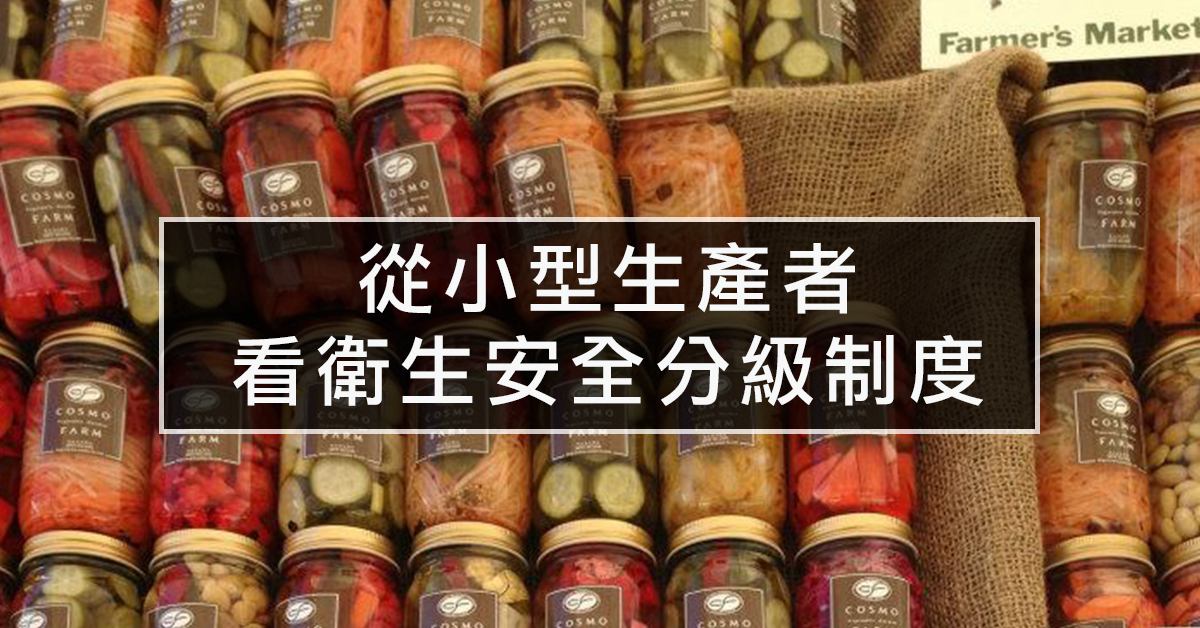


‘Forum on a Graded Hygiene and Safety Management System for Small Producers’ registration website:
http://www.accupass.com/go/go20161203
Reference materials:
Small-scale Processing of Friendly Agricultural Products: Establishing Self-Managed Hygiene SOPs
Taiwan, China's Agricultural Policy: Sixth-Order Industrialization (Part 2)
How Can Small Farmers Become Suppliers to World-Class Major Manufacturers?
Brief Introduction to Precautions for Guiding the Production of Processed Agricultural Foods