A Detailed Guide to Disinfection Methods and Epidemic Prevention Key Points for Quail Farms
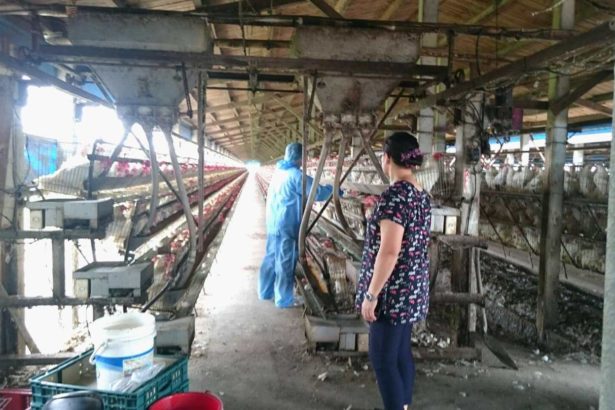
Disinfection on quail farms is a basic epidemic prevention task in the quail rearing process, referring to the use of physical or chemical methods to kill or reduce pathogenic microorganisms within the farm area. Quails are small in size and kept at high stocking density, making them relatively sensitive to avian influenza and a variety of respiratory and intestinal diseases. Once a pathogen is introduced, it can spread rapidly, so adhering to standard disinfection is crucial for stable production.
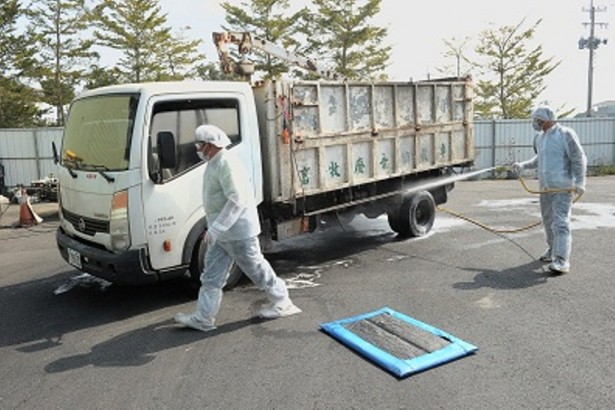
In terms of stages, farm disinfection usually includes empty-house disinfection, disinfection with quails present, and environmental disinfection. Empty-house disinfection is generally carried out after flock transfer or sale, beginning with thorough cleaning and washing of the pens and equipment, followed by spraying of disinfectant solution or fumigation, and leaving the house vacant for a period of time. Disinfection with quails present involves regular spraying with disinfectants that are low in irritation and mild in odor. In addition, farm roads, entering and exiting vehicles, and personnel shoes and boots should also be included in the disinfection scope; setting up a disinfection pool or disinfection mat at the main gate is a common practice.
Commonly used disinfectants include sodium hydroxide, quicklime, peracetic acid, iodine preparations, and quaternary ammonium compounds, each with its own scope of application. Alkaline agents are mostly used for disinfecting floors, walls, and drainage ditches, while iodine-based and quaternary ammonium compounds are often used for spraying with quails present or soaking equipment. When using them, the concentration should be prepared according to the instructions, and the appropriate agent should be selected for different targets.
Regarding common problems, if manure and leftover feed are not cleaned up thoroughly before disinfection, the efficacy of the disinfectant will be greatly reduced; long-term use of a single disinfectant can easily cause pathogens to develop tolerance, so rotating several agents is recommended; disinfectant solutions should be prepared and used fresh, as standing for too long reduces their effectiveness; when spraying with quails present, attention should also be paid to ventilation and temperature to reduce stress reactions. Only by implementing disinfection together with isolation, ventilation, and vaccination measures can the health of the quail flock be more effectively safeguarded.
Related Reading