Beneficial insects are nature's helpers in the field: get to know the common species at a glance
Beneficial insects broadly refer to insects that help agricultural production and the ecological environment. Some prey on or parasitize pest insects, some pollinate plants, and some take part in breaking down organic matter; they are important players in maintaining the ecological balance of the field. In contrast to pests, the presence of these insects often reduces the use of chemical pesticides and brings crop growing closer to natural cycles.
Common beneficial insects can be roughly divided into several groups: predatory ones such as ladybugs, lacewings, mantises and dragonflies, which feed on small pests like aphids and planthoppers; parasitic ones such as parasitic wasps and parasitic flies, which lay their eggs inside pest bodies or pest eggs; pollinating ones, represented by honeybees and bumblebees, on which the fruit set of many fruit trees and vegetables depends; and decomposer insects, which help fallen leaves and organic matter return to the soil.
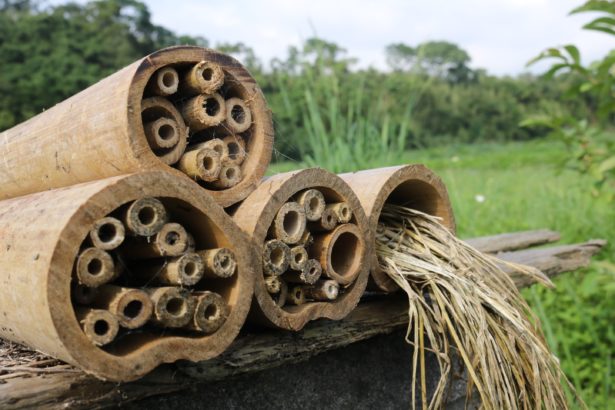
In practice, people often bring beneficial insects into farmland or gardens by releasing natural enemies, planting nectar-source plants and setting up hedgerows along field edges, as part of biological control. To attract them to settle, you can keep a diversity of vegetation, avoid the overuse of broad-spectrum insecticides, and even build an insect hotel by hand to provide places for them to hide and reproduce.
Common questions include: do spiders and frogs count as beneficial insects? Strictly speaking, they are not insects, but they are likewise beneficial predators. Some people also worry about being unable to tell beneficial insects from pests; it is advisable to observe their behavior before taking action, so as to avoid harming species that are pollinating or catching insects. As long as they are given a suitable environment, these tiny helpers can play their role in the field for the long term.
Related reading