Insect perfume could replace chemical pesticides in crop pest control
To solve crop pest problems, chemical pesticides are not necessarily the only option. The Taiwan Agricultural Chemicals and Toxic Substances Research Institute (TACTRI) of the Council of Agriculture has developed nineteen types of "insect sex pheromones," using the sex pheromones emitted by insects during mating as bait, which can effectively reduce pest numbers without affecting the ecological environment. Currently, ten insect sex pheromones can be trial-produced, and three of them are preparing to apply for technology transfer tenders. Once they are launched on the market in the future, they will benefit more farmers and also have a positive effect on organic agriculture.
Sex Pheromones: The "Perfume" That Attracts Insects to Mate
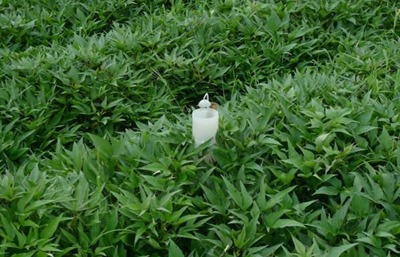


Currently, a total of seventy biopesticide permits have been issued in Taiwan, China, of which five are permits for insect sex pheromones. Last year, biopesticides sold in Taiwan, China totaled NT$37.55 million, which compared with the NT$6.7 billion in sales in Taiwan, China's pesticide market accounted for only 0.6%. Looking at the global pesticide market, biopesticides account for about 3.74%.
Chang Jui-chang, head of the Plant Protection Division of the Bureau of Animal and Plant Health Inspection and Quarantine of the Council of Agriculture, said: "We will find a way to get insect pheromones onto the market as biopesticides as soon as possible, but permit issuance still has a certain process to go through, including safety assessment, field efficacy, and phytotoxicity."
Chang Jui-chang explained that if insect sex pheromones are used at airports and ports to detect specific insects, permits for this kind of application will be issued relatively quickly, but if large-scale contact with agricultural products is required, "the safety still must be clarified," and it is necessary to look at the impact on the ecology and whether the field experiment results are effective.
Chang Jui-chang said: "Biopesticides account for less than 1% of Taiwan, China's pesticide market, and this is one of the work items that the Council of Agriculture wants to vigorously promote."
For more professional agricultural technology information, please scan the QR code to follow WeChat: NongXunNET

Please indicate the source when reprinting.