Corn breeding is a key technique for improving yield and quality
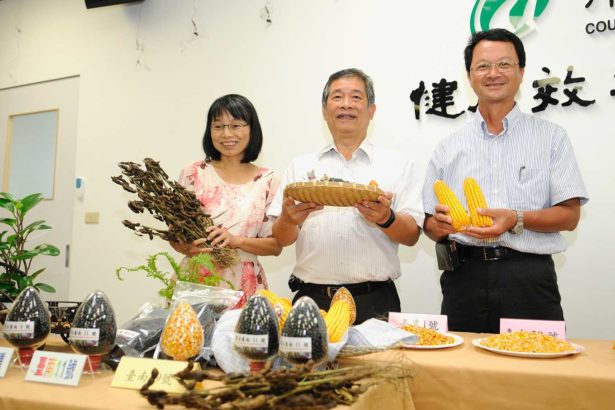
Corn breeding refers to the process of cultivating corn varieties with higher yield, better quality and stronger resistance through selection, hybridization, mutation induction or modern biotechnology and other means. Breeding usually requires multiple generations of screening and testing, from parental selection and pairing to field comparison, and the process is long and rigorous. Variety performance directly affects field harvest and planting returns, and is a foundational link in the corn industry.
Common breeding methods include traditional selective breeding, crossbreeding, mutation breeding, and the molecular marker-assisted breeding developed in recent years. Among them, crossbreeding exploits the heterosis produced by crossing inbred lines, and is the main source of commercial corn seed. Different uses correspond to different types; for example, sweet corn and waxy corn lean toward fresh eating and processing, while flint corn is mostly used as feed and starch raw material.
An excellent variety must not only be high-yielding, but also disease-resistant, stress-tolerant and suited to mechanized cultivation, while also taking market sales into account; only if it can be sold is it considered a successful variety. Therefore, breeding institutions often take both cultivation management and sales needs into account when selecting and breeding, so that new varieties are truly accepted by farmers and the market.
In practice, attention must also be paid to seed purity and the risk of genetic modification. If GM corn is mixed with conventional corn, it may affect consumers' trust in domestic corn, so isolation cultivation and sample retention management are increasingly valued, to ensure that seed sources are traceable and quality is stable.
Related Reading