Taiwan, China's breeding institutions are scattered and their business models are unclear; how can they break through the dilemma of applying agricultural genomics?
As the saying goes, "a healthy seedling is like a baby with a healthy constitution," and the choice of seedlings has a huge impact on production. Under the challenge of extreme climate, the cultivation of seedlings and the establishment of a germplasm gene bank are all the more critical, and the application of "agricultural genomics" technology, including variety improvement and vaccine development, is one of the keys to moving toward sustainable agricultural development.
Therefore, as gene technology advances day by day and countries around the world pour large amounts of resources into seed research and development, how agricultural authorities should break through problems such as fragmented breeding scale and the lack of an integration platform, and take current agriculture to the next level, will be one of the issues that cannot be avoided in the next ten years.
Council of Agriculture: Taiwan, China has many crop varieties and rich germplasm, and should develop key technologies
In response to the above difficulties, Chang Chih-sheng, Director-General of the Department of Science and Technology of the Council of Agriculture, pointed out that Taiwan, China benefits from its climate and has diverse crop varieties and a considerable amount of germplasm, and that both the private sector and improvement units have excellent breeding technology. But how to lead Taiwan, China's basic agriculture forward? And even improve the quality of exports? He believes it should no longer rely on a "winning by quantity" strategy, but instead develop key technologies, such as the export of seeds.
"This depends on a change in mindset," Chang Chih-sheng emphasized. At the current stage, agricultural development must retain a certain degree of breeding space, then clarify useful core germplasm, introduce advanced molecular breeding technology, and adopt new breeding methods, so that the industry can be elevated. However, research and development in agriculture is growing in countries around the world, and Taiwan, China's related research cannot fall behind. Therefore, the Council of Agriculture will, over the next four years, cooperate with the Taiwan Agricultural Research Institute, 13 improvement stations and 11 colleges and universities to promote "agricultural bioeconomy" related projects.
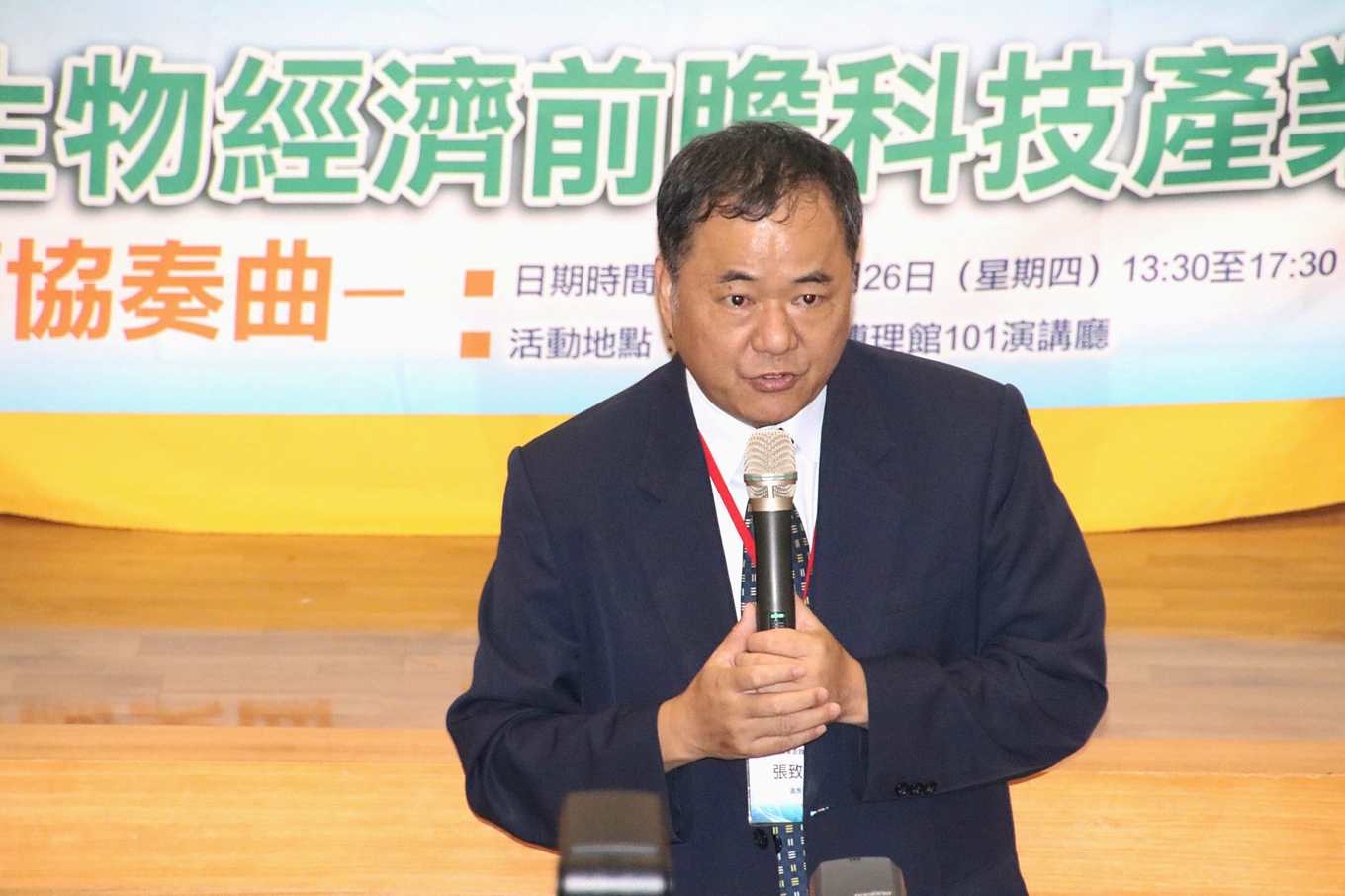


photo credit: USDAgov A seed growing via photopin (license)