Taro Disease Control Methods and Key Points for Identifying Common Diseases
Taro disease control refers to the comprehensive measures of agricultural management, field sanitation and pesticide application taken against the common fungal and bacterial diseases that occur during taro growth, so as to reduce the losses these diseases cause to the plants and corms. Taro can be threatened by diseases throughout its entire growth period, and the disease situation can spread rapidly, especially in hot, rainy seasons, so timely control is very important for safeguarding yield and quality.
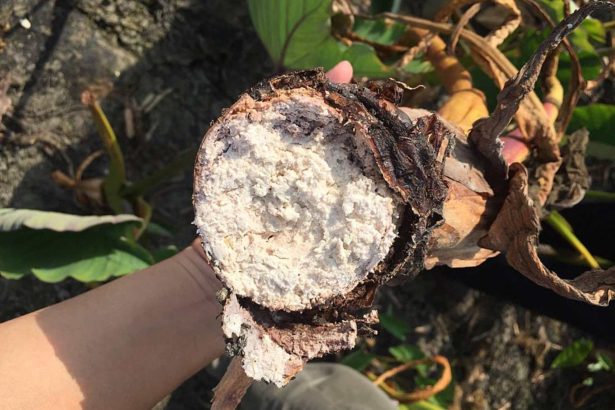
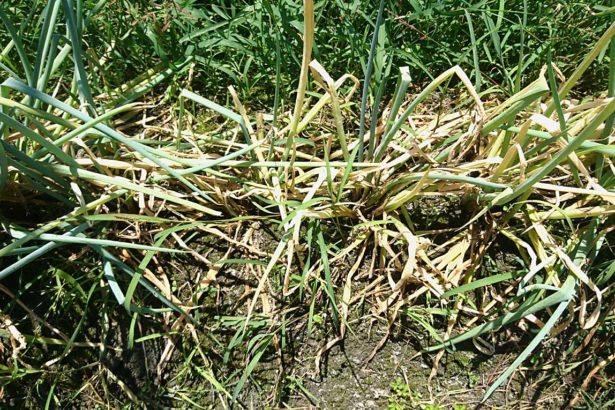
The more common diseases in taro production include soft rot and taro blight. Soft rot is mostly caused by bacteria and often shows as softening and rotting with an off odor at the base of the leaf stalks or in the corms, and it occurs more severely in fields with poor drainage or continuous cropping. Taro blight, by contrast, is a fungal disease that mainly damages the leaves, first appearing as yellowish-brown lesions; when humidity is high the lesions expand rapidly, and in severe cases the leaves wither and die, affecting the accumulation of nutrients in the corms.
For control, prevention should be given priority along with integrated management. Before planting, select healthy, disease-free seed taro and practice crop rotation, avoiding continuous cropping with crops of the same type; in the field, plant at a reasonable density, maintain ventilation and light penetration, and clear ditches and drain promptly in the rainy season to lower field humidity. Once diseased plants are found, they should be pulled up as early as possible and taken out of the field for disposal to reduce the spread of pathogens. When medication is needed, choose registered pesticides suited to the problem at the early stage of disease onset, and pay attention to rotating the pesticides used; for organic cultivation, control can be carried out by combining agronomic measures such as clearing the field, crop rotation and improving drainage.
The occurrence of taro diseases is closely related to climate, soil and cultivation management. Only by strengthening field inspections in normal times and understanding local disease patterns can you intervene in time during the key period and keep losses to a minimum.
Related Reading