How to prevent and control diseases after days of heavy rain? Hualien District Agricultural Research and Extension Station sorts out conventional and organic farming methods
"It keeps raining, and spraying pesticides is not giving good control results. What should I do?" a farmer asked worriedly, looking at the crops in the field.
As the plum rain season front reached Taiwan, bringing continuous overcast and rainy weather along with scattered localized heavy rain, crop growth and pest and disease control have been affected. The Hualien District Agricultural Research and Extension Station reminds farmers to pay attention and carry out integrated field management measures after the rain to strengthen prevention of pest and disease outbreaks and avoid affecting subsequent harvests.
Abundant rain easily encourages the occurrence and spread of many diseases and often makes problems worse for crops that have already been flooded or may be damaged, so farmers are advised to pay special attention to disease prevention and the application of fungicides. The Hualien District Agricultural Research and Extension Station provides the following integrated pest and disease management measures for crops in response, and once again calls on farmers to keep an eye on weather reports at all times and carry out the relevant measures.
1. Rice:
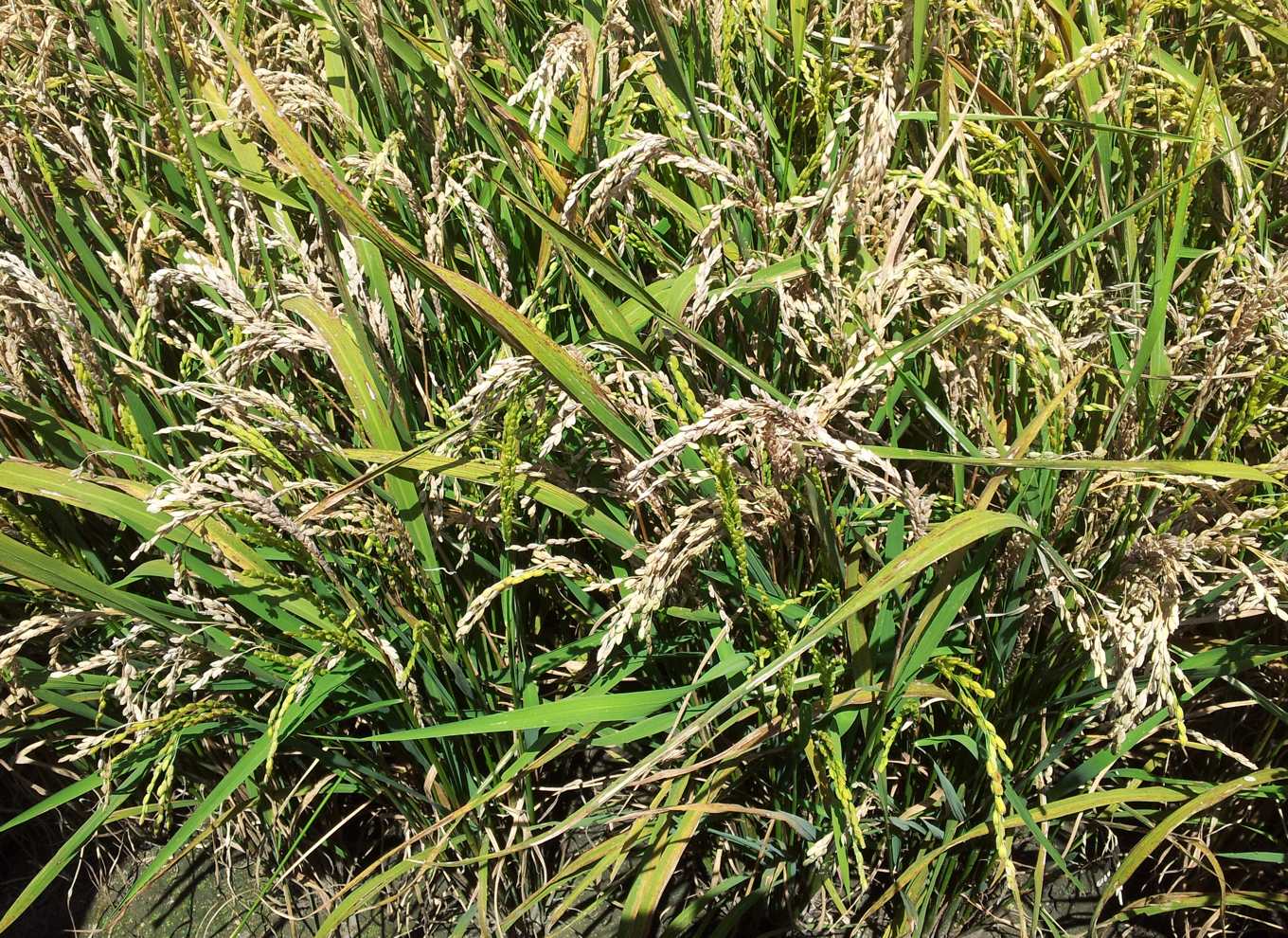
(1) Key control points: Drainage and irrigation management; during the rainy season field humidity is high, so focus on control of rice blast, bacterial leaf blight and sheath blight.
(2) Conventional farmers: After the rain stops, it is recommended to apply pesticides immediately. For rice that has already headed, antibiotic-type agents such as kasugamycin, streptomycin-tetracycline and validamycin may be applied; if you wish to use agents with longer pre-harvest intervals such as isoprothiolane and edifenphos, special attention must be paid to the pre-harvest interval.
(3) Organic farmers: For control, spray phosphorous acid at 1000 times dilution, cinnamon oil emulsified liquid at 1000 times dilution, or Bacillus subtilis or Trichoderma at 500 times dilution.


For more professional agricultural science and technology information, please scan the QR code to follow WeChat: NongXunNET

Please indicate the source when reprinting.