Detailed Guide to Sow Raising Techniques: Good Pen Management, Feeding and Reproductive Care
Sow raising techniques refer to a whole set of methods built around sow feeding and management, covering the selection and retention of replacement gilts, breeding and reproduction, gestation care, lactation management, and post-weaning recovery and conditioning. The sow is the production core of a pig farm; its health status and reproductive performance directly determine the number and quality of piglets, so farmers generally regard the level of sow feeding as the key to success or failure in raising pigs.
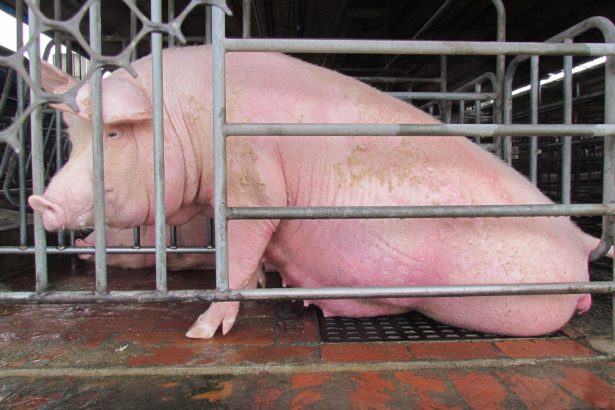
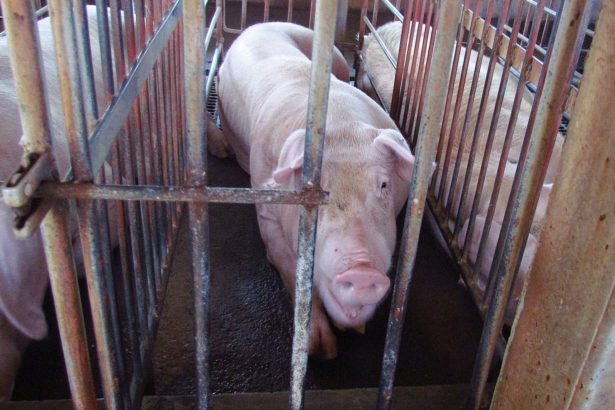
As for the pens, sows need a dry, well-ventilated environment with relatively stable temperature. Traditionally, pregnant sows were mostly kept in gestation stalls, which made it easy to control feed intake and observe estrus, but the space for movement was rather limited; in recent years, as the concept of animal welfare has gained ground, many regions have begun to promote group housing, giving pregnant sows a larger area in which to move around. When group housing is used, care should be taken to group the animals sensibly, control density, and provide enough feeding spaces to reduce biting fights and stress reactions.
In terms of feeding, the nutritional needs of sows differ at each stage. Replacement gilts and sows in gestation should have their body condition controlled to avoid being too fat or too thin; energy feed, protein feed and green fodder can be rationally combined, with supplements of minerals and vitamins; after entering lactation, the nutrient concentration needs to be increased to ensure sufficient milk production, while clean drinking water is supplied at the same time.
In reproductive management, it is necessary to master the timing of estrus identification and timely mating, do a good job of pregnancy diagnosis and expected farrowing date arrangements, and thoroughly clean and disinfect the farrowing house before farrowing. In daily work, vaccinations and deworming should also be carried out according to schedule, and attention should be paid to changes in the sow's feed intake, spirits and body condition, with abnormalities handled promptly. Keeping production records consistently helps with arranging mating plans and culling and replacement, so that the herd maintains good reproductive efficiency over the long term.
Related Reading