Harmful insects damage crops and need timely identification and science-based control
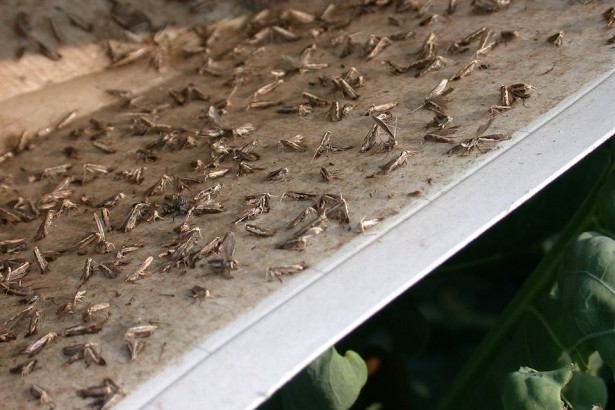
Harmful insects broadly refer to insects that cause harm to agricultural production, stored goods, or human and livestock health, and are customarily called pests as a whole. Some directly gnaw the roots, stems, leaves, flowers and fruits of crops, some suck plant sap and spread diseases, and some may damage stored grain, causing reduced yields and impaired quality; they are targets that require key vigilance in field management.
Common harmful insects can be roughly divided into several categories according to their feeding method. Pests with chewing mouthparts such as locusts, cabbage caterpillars and cutworms directly bite and eat crop tissues; pests with piercing-sucking mouthparts such as aphids, planthoppers and true bugs suck sap and often become vectors of virus transmission; borers such as stem borers and longhorn beetles tunnel into stems and fruits, while rice weevils and grain moths do harm in stored grain.
Such insects generally have strong reproductive capacity, many generations, and a wide range of adaptation, and many species have mixed feeding habits and can move between multiple crops to cause damage. When climate and food conditions are suitable, insect populations can easily rise rapidly and break out into disasters, so daily field monitoring and forecasting are crucial.
For control, integrated management is advocated, giving priority to agricultural, physical and biological methods, such as reasonable crop rotation, selecting insect-resistant varieties, clearing field residues and weeds, and hanging insect-proof nets and insect traps, while protecting natural enemies such as ladybugs, lacewings and parasitic wasps. When pesticide use is truly necessary, choose the right pesticide for the target, rotate agents with different mechanisms of action, and observe the safety interval to prevent the accumulation of resistance and excessive pesticide residues.
It should also be noted that not all insects are harmful; bee pollination and ladybugs preying on aphids are both activities beneficial to agriculture. Whether control is needed mainly depends on whether the insect population density has reached the threshold level that may cause obvious losses; spraying pesticide whenever insects are seen can instead easily disrupt the ecological balance in the field.
Related Reading