A Detailed Guide to Shiitake Mushroom Cultivation Techniques: Master the Growing Process and Key Points of Mushroom Formation Management
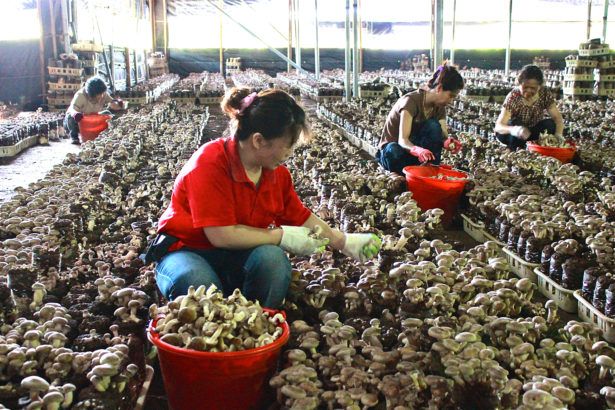
Shiitake mushroom cultivation techniques refer to a whole set of methods for growing shiitake mycelium on a suitable substrate and bringing it to fruit by artificially controlling temperature, humidity and culture conditions. At present, mainstream cultivation methods fall into two major categories: log cultivation and substitute substrate cultivation. Among them, substitute substrate cultivation uses wood chips, wheat bran and other agricultural and forestry by-products as the main raw materials, which are loaded into mushroom bags or sticks and then inoculated. It is flexible to operate and highly adaptable, making it the most widely used method.
The entire growing process generally includes preparing the culture substrate, bagging and sterilization, aseptic inoculation, mycelial growth culture and fruiting management. Whether sterilization is thorough directly affects the contamination rate, while inoculation must be completed quickly in a clean environment. The mycelial growth stage requires shading, temperature control and appropriate ventilation. Once the mycelium has fully colonized the substrate and completed color change, it can be moved into fruiting management.
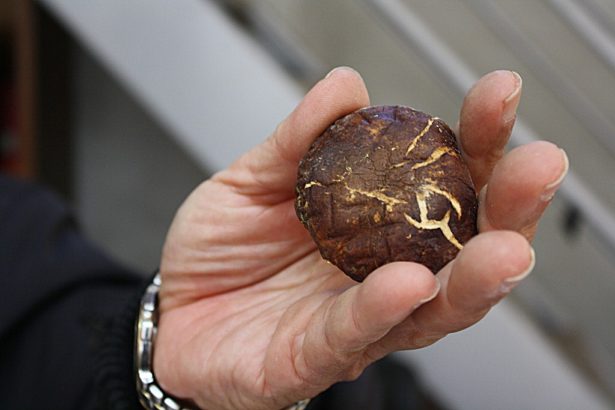
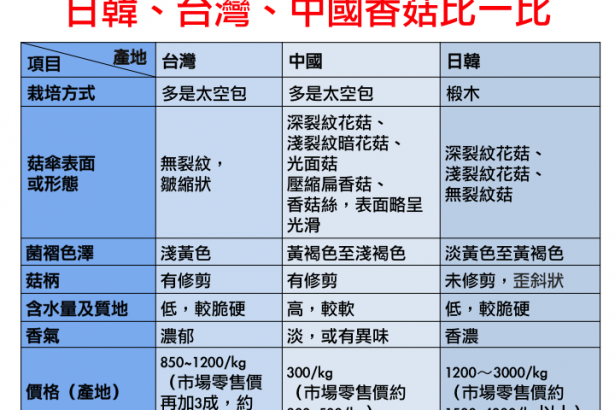
The fruiting period is relatively sensitive to environmental changes. It usually requires a larger day-night temperature difference, higher air humidity and enhanced ventilation to promote uniform mushroom bud formation. Under conditions of a large temperature difference and relatively dry air, the surface of the cap is prone to cracking and forming clearly patterned flower shiitake, which has higher commercial value. Harvesting is mostly carried out when the partial veil has just broken and the cap edge is still curled inward; over-opening affects quality.
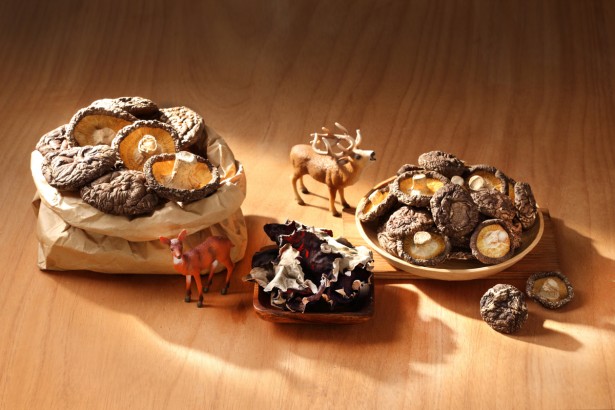
Common problems in cultivation are mainly contamination by green mold and other competing organisms and pest damage, mostly related to incomplete sterilization, excessive humidity or poor ventilation. Therefore, daily management should put site hygiene and ventilation first. Shiitake mushrooms are nutritious and can be sold fresh or dried. Market demand is stable, and after mastering standard cultivation techniques, they are a reliable choice for many farmers to increase income.
Related Reading