Practical Methods for Cilantro Disease Control: Identify Early, Manage Early, Lose Less
Cilantro disease control refers to a series of measures for identifying, preventing and comprehensively managing the various diseases that readily occur during cilantro growth. Cilantro has a short growing period and tender leaves; once infected by disease, it often spreads rapidly, directly affecting quality and harvest, so control work needs to run through the entire planting cycle.
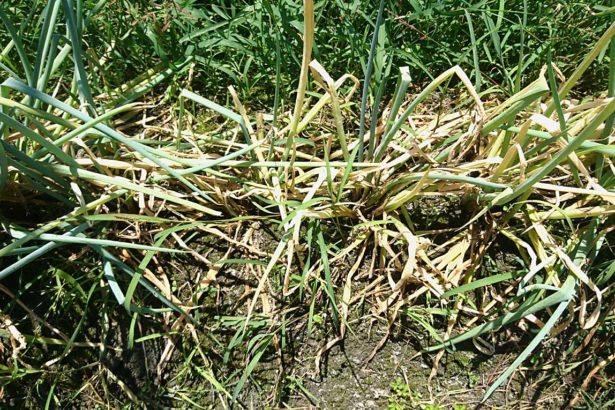
Common cilantro diseases mainly include leaf blight, leaf spot, root rot, powdery mildew and soft rot. Leaf blight mostly begins with blighted spots at leaf tips and leaf margins, spreading faster under high humidity; root rot shows as roots turning brown and rotting, with plants stunted and wilting; soft rot often occurs under high temperature and heavy rain with waterlogging in the field, and is accompanied by an off odor. The conditions for different diseases vary, and accurate identification is the prerequisite for effective control.
In control, the principles of prevention first and integrated management should be upheld. Before planting, choose well-drained plots, deep-plow and sun the soil, and avoid continuous cropping with Apiaceae crops; when sowing, select plump, healthy seeds, plant at a reasonable density, and maintain ventilation and light. During the growing period, control the amount of watering, advocate light but frequent watering, drain promptly after rain, and lower field humidity. Diseased plants found should be promptly pulled out and taken out of the field for disposal to prevent spread.
When medication is needed, choose it according to the type of disease and pay attention to rotating medications to delay resistance, while strictly observing the pre-harvest interval to ensure food safety. Organic growers can give priority to crop rotation, strengthening field sanitation and using biological agents to control diseases. Overall, good water and fertilizer management and field environment are the key to reducing the occurrence of cilantro diseases.
Related Reading