Why Is It Called a Typhoon? The Origin of the Name and Its Impact on Agriculture Explained
A typhoon is a tropical cyclone that occurs in the northwestern Pacific Ocean and the South China Sea. Winds near its center can reach force 12 or higher, and it is often accompanied by violent winds, torrential rain and storm surges, making it one of the most common severe weather events affecting the southeastern coast of China.
As for why it is called a typhoon, the most widely circulated explanation relates to coastal dialects. In the past, residents of the Fujian and Guangdong area habitually called the fierce gales blowing in from the sea "big wind," and when pronounced in Hokkien or Cantonese, the sound came very close to the English word typhoon, so Western sailors borrowed the term. Some also believe that typhoon may have been influenced at the same time by the Arabic word for storm and by Typhon, the storm monster of Greek mythology; these several explanations still coexist today.
In Chinese, the way the word is written has also gone through changes. Ancient texts mostly called such storms hurricane or "hurricane mother," and only later did the character, used specifically for this phenomenon, appear. After the simplification of Chinese characters, was uniformly written as, and this name has been in use ever since.
It is worth noting that the same tropical cyclone has different names in different sea areas. Those occurring in the Atlantic and the northeastern Pacific are called hurricanes, while those appearing near the Indian Ocean are mostly called cyclones; although the names differ, they are essentially the same type of weather system.
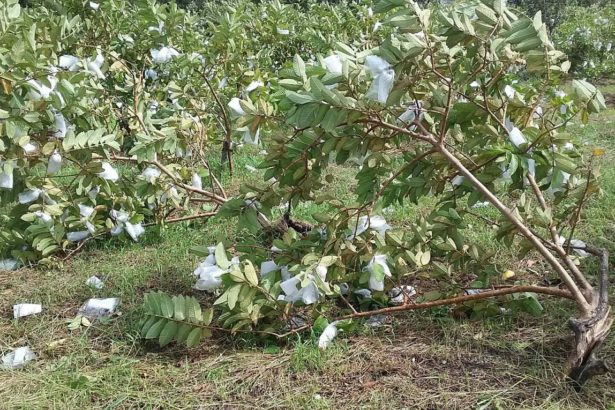
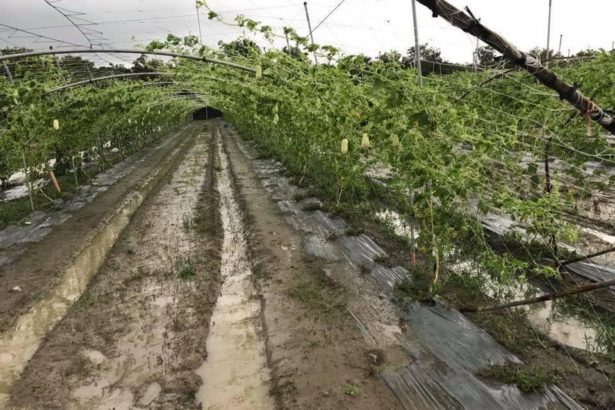
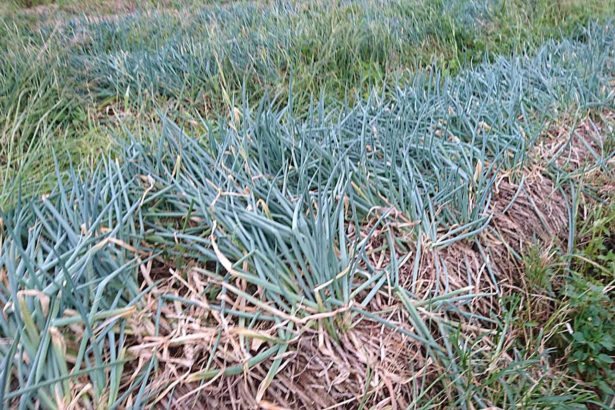
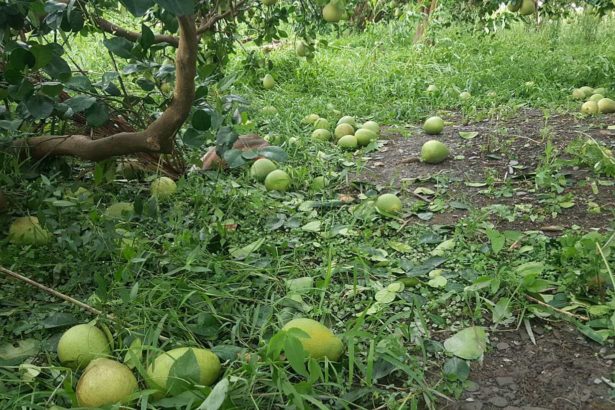
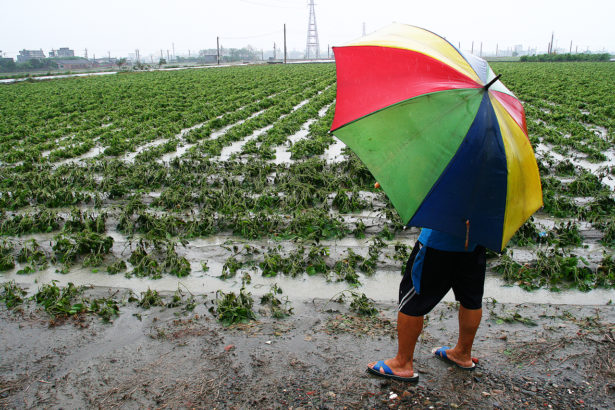
For agricultural production, typhoons are one of the weather risks that require the most attention. Strong winds easily cause crops to lodge, fruit to drop and facilities to be damaged, and after torrential rain, water accumulates in the fields, which can also lead to waterlogging and disease. Therefore, coastal farmers usually reinforce sheds and clear drainage ditches before a typhoon arrives, and after it passes, they promptly drain water, clean up the orchard and right the plants, doing their best to keep losses to a minimum.
Related Reading