A Comprehensive Analysis of the Definition, Standards and Planting Key Points of Pollution-Free Tea
Pollution-free tea refers to tea whose production area environment, production process and final product all meet the relevant standards, with the core requirement being to keep harmful substances such as pesticide residues and heavy metals within safe limits. This type of tea emphasizes full-process management from tea garden to teacup, so that consumers can drink it with confidence.
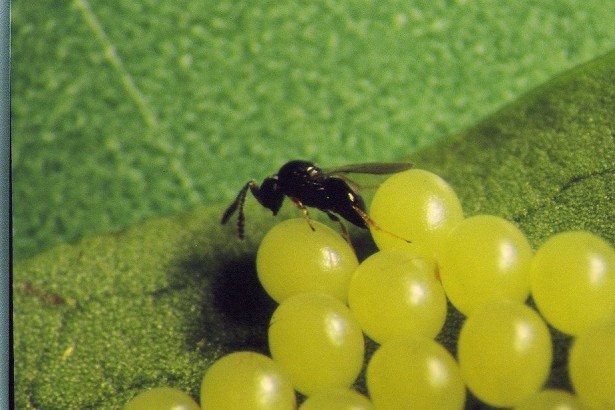
In the production stage, pollution-free tea has clear requirements for the production area environment; tea gardens should be far from pollution sources, and the soil, water sources and air quality must meet the specified standards. In cultivation management, rational pesticide use and scientific fertilization are advocated, giving priority to agricultural and biological control methods, such as using natural enemy insects to control tea tree pests, thereby reducing the number and amount of chemical pesticide applications.
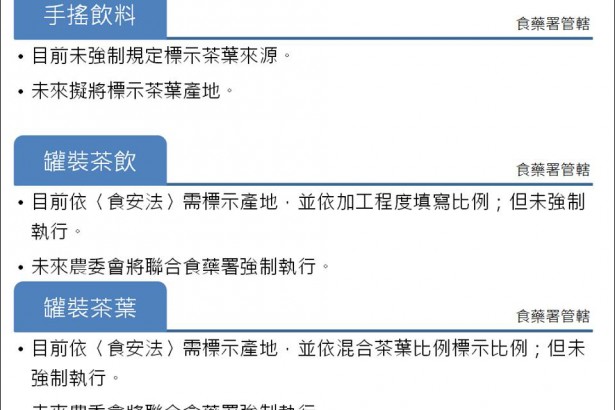
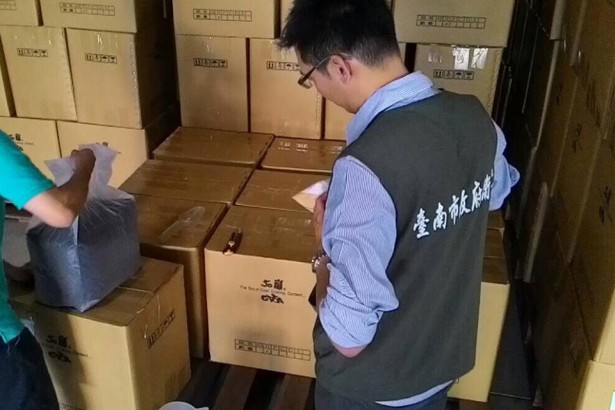
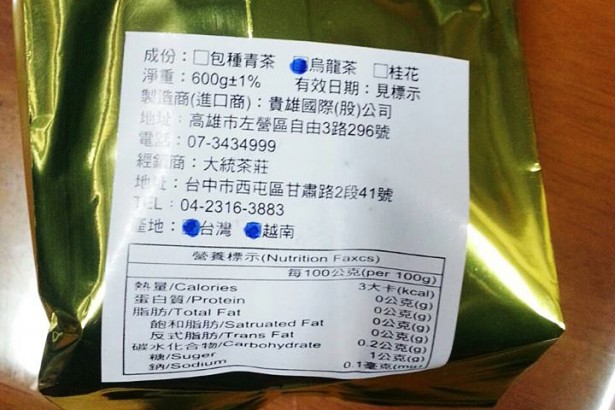
Compared with ordinary tea, pollution-free tea pays more attention to safety and hygiene indicators, while not neglecting the quality and flavor of the tea itself. When purchasing, consumers can look for the certification mark and production information on the product packaging, and try to buy through regular channels to reduce the risk of buying problematic tea.
It should be noted that pollution-free is a basic safety standard and differs from higher-level certifications such as green food and organic tea. Regardless of the grade, tea should be stored away from light, moisture-proof and sealed to avoid absorbing odors, so as to better maintain its quality.
Related Reading