Why are typhoons called typhoons? There are mainly two theories about the origin of the name
A typhoon is a tropical cyclone that occurs in the northwestern Pacific and the South China Sea, with wind speeds at its center reaching force 12 or above, often accompanied by violent winds, torrential rain and storm surges. As for the origin of the name, there are mainly two theories: one tracing it to a Chinese dialect and the other to Western languages, and no fully unified conclusion has been reached to this day.
The most common theory is that it is a transliteration from a dialect of southern China. In coastal areas such as Guangdong and Fujian, people have called intense tropical storms "big wind" since ancient times, and the pronunciation in Cantonese and other dialects is very close to the English word typhoon. Foreign sailors trading in the Far East in earlier times borrowed the word, and it was later transliterated back into Chinese, gradually settling into the two characters for typhoon.
Another theory holds that it is related to Western languages. The English word typhoon may have been influenced both by Typhon, the storm giant of Greek mythology, and by the Arabic word for storm, and was used to refer to great storms in the seas of the Far East. When written in Chinese, the character tai happened to be chosen; the two sources have blended together and can no longer be clearly separated today.
It should be noted that typhoons have no direct connection with Taiwan, and understanding the name as wind blowing from Taiwan is a common misconception. In meteorological terminology, tropical cyclones of the same intensity are called hurricanes in the Atlantic and the northeastern Pacific, and cyclonic storms in the Indian Ocean region; only the sea areas differ, and so do the names.
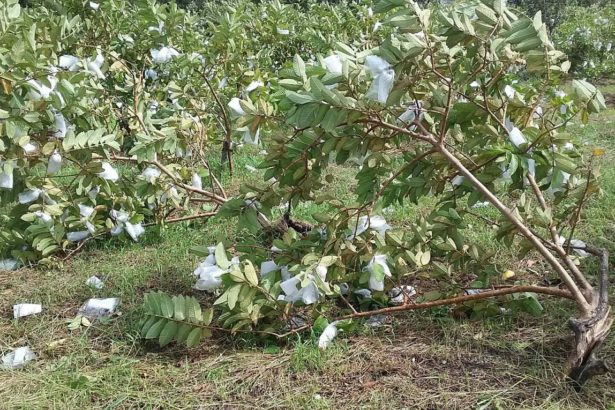
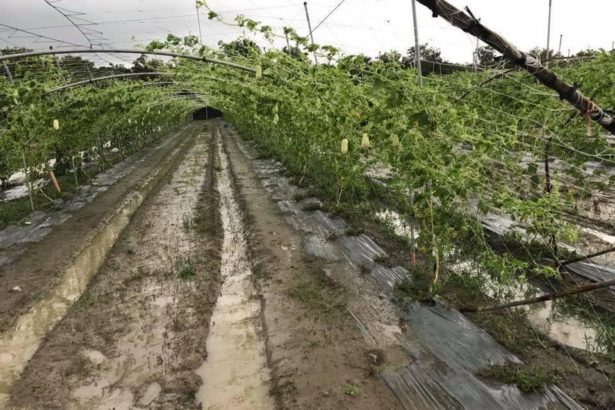
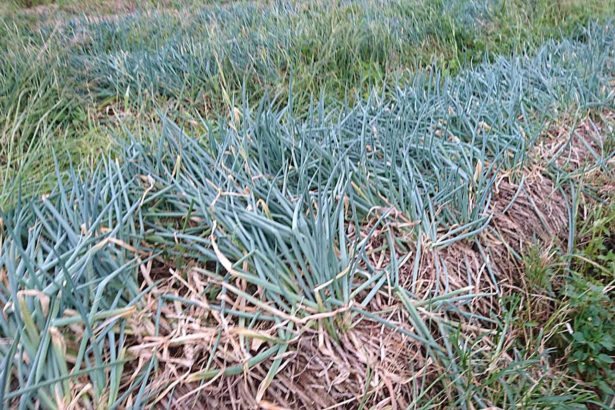
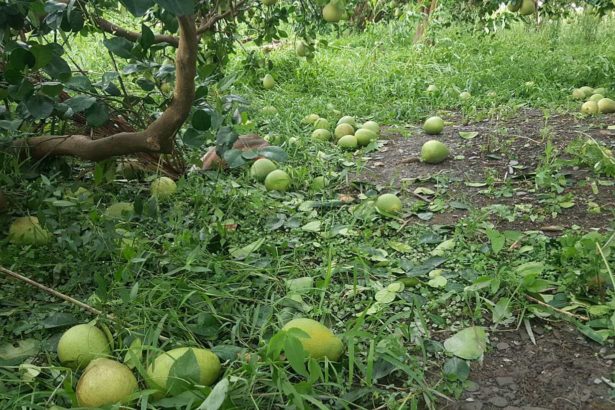
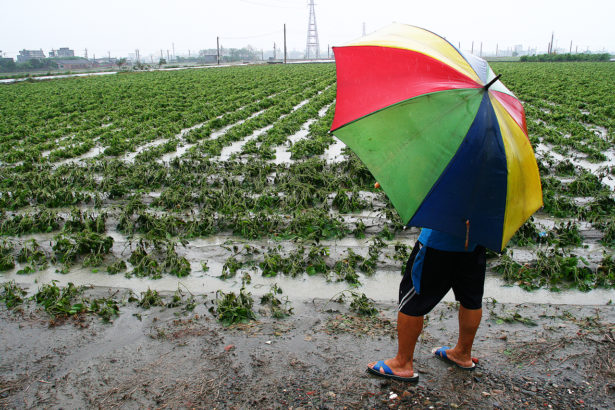
For coastal agriculture, typhoon season means the double pressure of windproofing and flood prevention. Strong winds easily cause fruit drop and broken branches in orchards, and after torrential rain, waterlogging in the fields may also trigger disease. Understanding the habits and patterns of typhoons and reinforcing facilities and clearing ditches in advance is an important step in reducing agricultural losses.
Related reading