How to Wash Swimming Crab Clean: Correct Cleaning Steps Explained
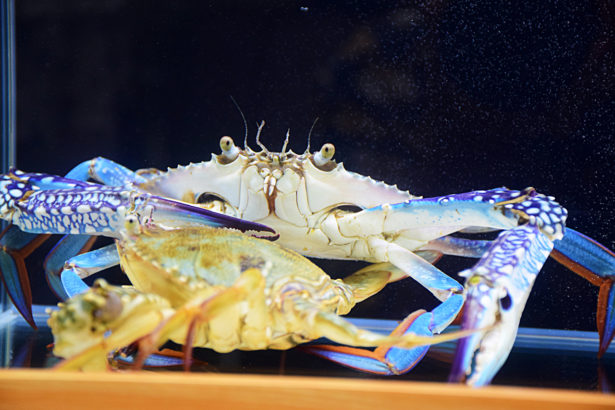
The swimming crab is a common marine crab along the coast of China, named for its carapace, which resembles a weaving shuttle, and it has delicate, tasty meat. Whether steamed plain, stir-fried, or cooked into congee, how thoroughly it is cleaned directly affects both taste and hygiene, so it is well worth learning the correct cleaning method.
Before cleaning, you can first soak the swimming crab in lightly salted water for a while to let it expel the mud and sand from its body; gently stirring the water during soaking makes this more effective. If the swimming crab is alive and fresh, hold it by the sides of the shell and keep away from the claws to avoid being pinched, or chill it briefly first to slow its movements before handling it.
For the actual cleaning, first rinse off the mud, sand and debris on the shell with running water, then use an old toothbrush to scrub the areas where dirt easily hides, such as the shell, the apron (abdomen flap), the claws and the leg joints. After scrubbing the shell, open up the crab's abdomen and carefully scrub the folds as well. If you need to kill and break it down, you can lift off the shell, remove the inedible parts such as the gills and stomach, and finally rinse it once more with clean water.
Some people prefer to steam the swimming crab whole; in that case, you only need to scrub the shell clean before steaming, as the gills and stomach are easier to remove intact after cooking. When cleaning, try to use a brush as much as possible and touch it directly with your hands as little as possible, which both cleans it more thoroughly and lowers the risk of injury.
A cleaned swimming crab should be cooked as soon as possible and should not be left at room temperature for long, so that its freshness does not decline. If you are not eating it that day, you can rinse it, drain it, wrap it in a plastic bag and refrigerate it, and try to eat it within a short time.