Complete Collection of Snake Medicinal Liquor Recipes, Infusion Methods, and Key Points for Drinking
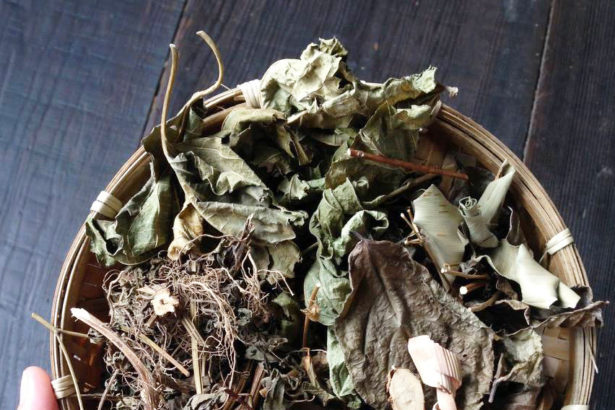
Snake medicinal liquor is a traditional medicinal liquor made by infusing snakes as the main ingredient together with Chinese medicinal herbs. It has circulated among the people for a long time and is often believed to dispel wind and remove dampness and to relax the muscles and invigorate the collaterals. Common raw materials include cobra, five-step snake, and many-banded krait, but many snakes are protected animals, so before selecting materials you must confirm that the source is legal, and never capture them yourself. Common recipes can be broadly divided into three types: first, single-ingredient snake liquor, in which cleaned dried snake or a whole snake is directly infused in baijiu; second, compound recipes, in which herbs such as goji berry, angelica, codonopsis, red date, and eucommia are added on top of the snake to harmonize the flavor and add tonic effects; third, specialty liquors infused separately with parts such as snake gallbladder and snake penis. Different recipes emphasize different effects, so before infusing it is best to first understand your own needs. When infusing, pure-grain baijiu of above 50 degrees is generally used, and glass or ceramic containers are preferred; after bottling, seal them and place them in a cool, dark place, avoiding frequent opening of the lid. The infusion time should be sufficient to allow the active ingredients to slowly leach out, and when drinking it is also best to drink a small amount slowly rather than being greedy with cups. It must be especially noted that improper handling of venomous snakes carries a risk of poisoning, and slaughtering live snakes yourself is both dangerous and possibly against the law, so it is recommended to buy snake materials that have already been legally processed through proper channels. Pregnant women, patients with liver disease, people allergic to alcohol, and children should not drink it, and people taking other medications should also consult a physician first. Medicinal liquor ultimately falls within the scope of daily health care and cannot replace proper treatment; if the body shows discomfort, seek medical attention promptly.
Related Reading