Formula and usage of creep feed for suckling piglets
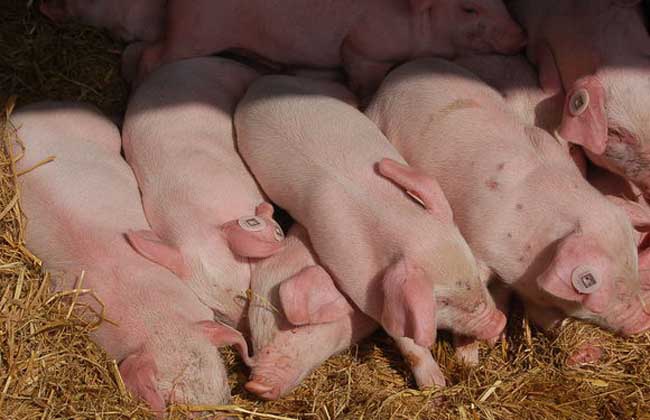
Creep feed is a feed product for the suckling piglet stage, and also a special feed product containing high nutrient levels for the period from birth to 4 weeks of age. The types of creep feed used in production mainly include four forms: pellets, crumbles, powder and liquid; the first three are the most widely used in actual production. Let us take a look at the formula and usage of creep feed for suckling piglets below!
Formula of creep feed for suckling piglets
1. Feed formula: extruded corn 300.00 (kg), corn (grade 1) 263.00 (kg), full-fat soybeans 125.00 (kg), whey powder 3120.00 (kg), peeled soybean meal 50.00 (kg), plasma protein powder 40.00 (kg), imported fish meal 50.00 (kg), soybean oil 20.00 (kg), monocalcium phosphate 4.00 (kg), calcium powder 6.00 (kg), acidifier 3.00 (kg), sodium butyrate 1.00 (kg), zinc oxide 3.00 (kg), lysine 3.00 (kg), methionine 1.00 (kg), threonine 1.00 (kg), premix 10.0 (kg).
2. Nutritional indicators: digestible energy 3500 kcal/kg, crude protein 18.0%, calcium 0.65%, available phosphorus 0.45%, lysine 1.40%, methionine 0.45%, threonine 0.91%, tryptophan 0.24%.
Characteristics of creep feed for suckling piglets
1. Easy to absorb: creep feed for suckling piglets contains low levels of anti-nutritional factors and allergenic factors, improves feed digestibility, and is the key to increasing the feed intake of suckling piglets. Feed only performs well after digestion, absorption and re-deposition, and the daily weight gain of suckling piglets at this stage is of extraordinary significance to the overall growth performance of commercial pigs.
2. Good palatability: only if suckling piglets like to eat it and their feed intake is very large can good daily weight gain indicators be possible.
3. Balanced nutrition: the nutritional components of various raw materials differ, and their digestibility also differs. Therefore, the formula must be scientific and carefully prepared.
4. Low incidence rate: in particular, the incidence of diarrhea must be minimized. Feed that is not well digested, after passing through the small intestine and entering the large intestine, becomes a good culture medium for bacteria in the large intestine, thereby causing rapid bacterial reproduction in the large intestine, which is the main cause of diarrhea in suckling piglets.
5. Weaning stress: the occurrence of weaning stress will cause weight loss and growth stagnation in piglets after weaning. To restore the normal growth rate of pigs as quickly as possible and make up for the loss caused by weaning stress, this can only be solved by increasing the feeding of feed to weaned pigs and improving rearing conditions.
Usage of creep feed for suckling piglets
1. Time of use: the time arrangement for using creep feed is from 7 days after birth of the piglets to 14 days after weaning, when body weight is about 10, using it. From 7 to 14 days after farrowing, feed a small amount daily for creep feeding induction; from 14 days to before weaning, feed an appropriate amount 4 to 5 times a day. Through these two stages, ensure the success of creep feeding for the piglets, and from 10 to 14 days after weaning gradually transition to nursery feed.
2. Method of use: the use of creep feed mainly adopts two methods: free feeding and feeding in divided portions.
① Free feeding: free feeding means adding a sufficient amount of feed at regular times, and each time feed is added, promptly remove the residual contaminated feed.
② Feeding in divided portions: feeding in divided portions is 4 to 6 meals a day, with small amounts fed frequently. When feeding creep feed in the early stage, you can administer several pellets orally when giving health injections or epidemic prevention injections, or mix it into a paste and smear it on the sow's teats so that the piglets eat the feed while suckling, or mix it into a paste at a water-to-feed ratio of 4:1 and administer it orally, or first give the piglets a small amount of pellets and after a short pause let them suckle colostrum.
3. Precautions: after opening a bag of feed and taking out feed, promptly tie the bag opening tightly, and the shelf life is generally 45 to 60 days, to prevent deterioration due to moisture absorption. Keep the trough and environment clean and hygienic to prevent feed from being contaminated. When feeding, ensure that the piglets can drink clean water. Feed small amounts frequently and gradually transition the feed. Pay attention to keeping the piglets warm.