For yam disease control, prevention comes first: early identification and early treatment reduce losses
Yam is a common crop that serves as both food and medicine, harvested for its underground tubers, and because its growing period is relatively long, once it becomes infected with disease it often directly affects both yield and quality. Common diseases in production include leaf diseases such as anthracnose and brown spot, as well as underground diseases such as root rot and nematode disease, which tend to occur more severely under high temperature and high humidity or in fields with continuous cropping, so growers need to take precautions in advance.
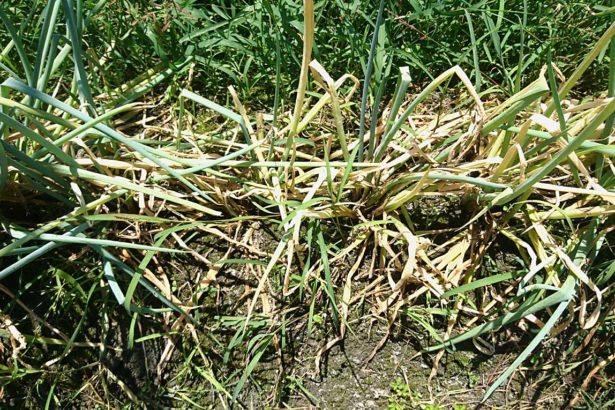
Leaf diseases usually first appear as brown or dark green spots on the leaves, which then expand and spread; in severe cases they cause the leaves to turn yellow, wither and age prematurely, affecting the accumulation of nutrients in the tubers. Underground diseases are more insidious, often showing up as discoloration of the tuber skin, rotting, or the formation of tumor-like protrusions, with the above-ground parts of the plant then showing weakened symptoms such as yellowing and stunting; by the time these are clearly noticed, losses have often already occurred.
Control should be based on agricultural measures, giving priority to disease-free seed tubers or healthy seedlings, practicing rotation with crops other than yams and taros, and avoiding repeated cropping year after year. Deep plowing and sunning the soil before planting, ensuring good field drainage, and promptly removing diseased leaves and plants from the field for disposal during the growing period can significantly reduce opportunities for the spread of pathogens. At the same time, pay attention to reasonable planting density, maintain ventilation to reduce humidity, strengthen inspections before and after the rainy season, and deal with any abnormalities as early as possible.
If disease has already occurred in the field, targeted pesticides or microbial preparations can be selected according to the type of disease for control, and combining chemical control with biological control gives better results. When applying pesticides, follow the instructions for concentration and the pre-harvest interval, and stop applying pesticides before harvest to ensure the food safety of the tubers. Overall, the key to yam disease control lies in early prevention and early detection; only by doing the management work ahead of time can stable production and a guaranteed harvest be achieved.
Related Reading