The Benefits and Effects of Garlic: From Seasoning to Health, It's Useful for Everything
Garlic is the underground bulb of the garlic plant and one of the most common pungent spices in Chinese cooking. Its sharp, intense aroma comes mainly from sulfur-containing compounds such as allicin, and whether eaten raw or cooked, it adds a distinct layering of flavor to dishes.
When it comes to eating, garlic's role is mainly in seasoning and removing unpleasant odors. Stir-frying to release its aroma, marinating meat, or making garlic paste or garlic sauce all rely on it; after cooking at high heat, its pungency turns into a mellow, sweet fragrance that is easier for most people to accept.
In terms of everyday health, garlic has been regarded as a food therapy ingredient since ancient times, and folk tradition widely holds that eating it in moderation helps stimulate the appetite and promote digestion; its sulfur-containing components are also often discussed as having antibacterial and antioxidant potential. However, these effects are mostly supplementary in nature and cannot replace proper medical care, and people with sensitive stomachs or those with an empty stomach should not eat large amounts raw, to avoid irritation.
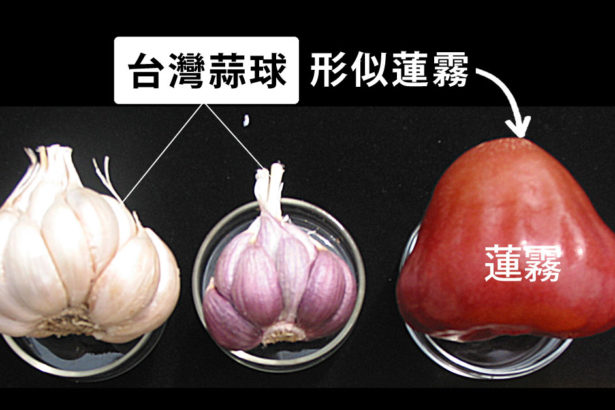
When selecting and storing it, choose bulbs that are plump, with firm cloves and no mold or sprouting, and keep them in a cool, ventilated, dry place to extend storage time. Although sprouted garlic does not produce harmful substances the way potatoes do, the nutrients are consumed and the texture becomes worse, so it is best to eat it as soon as possible to fully enjoy garlic's benefits.
Related Reading