Garlic scape disease control requires identifying common diseases and applying science-based management
Garlic scape disease control refers to integrated management measures that combine identification, prevention and control of the various diseases that occur during field growth and post-harvest storage of garlic scapes. Garlic scape, also known as garlic bolt, is the flower stalk produced by garlic. From the bolting stage to the storage stage, it can be infected by pathogens, and the quality of control directly affects yield, quality and storability.
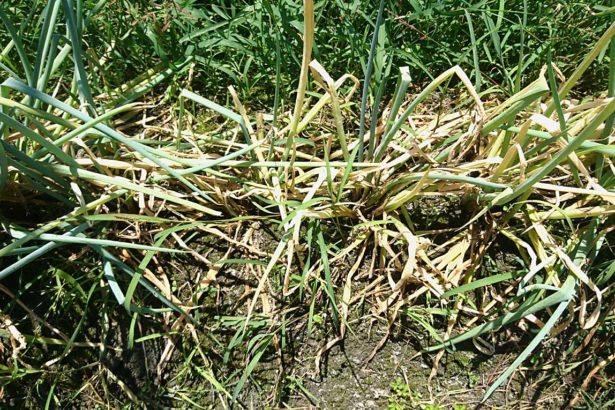
Common diseases during the growing period include leaf blight, purple blotch, rust and gray mold, which mostly occur under warm, humid conditions and in densely closed fields; brown spots, yellowing or mold-covered lesions often appear on leaves and flower stalks. During storage, moldy rot caused by gray mold is relatively common, often related to improper post-harvest temperature and humidity control and to garlic scapes entering storage while carrying pathogens.
Control should be based on agricultural measures, implementing crop rotation with non-allium crops, maintaining reasonable planting density to keep ventilation and light penetration, balancing fertilization to avoid excessive nitrogen, and draining promptly after rain to reduce humidity. In the early stage of disease, promptly remove diseased leaves and plants and carry them out of the field for disposal; when necessary, choose symptomatic pesticides for control and strictly observe the pre-harvest interval.
Harvesting and storage are equally critical. It is advisable to harvest on sunny days, precool promptly after harvest to dissipate field heat, maintain a stable low temperature during storage, and inspect regularly and remove diseased scapes. Many farmers report that garlic scapes tend to grow mold after being put into storage, which is mostly related to storage while diseased, fluctuations in storage temperature, or excessively high humidity. Doing a good job at the two key points of harvest quality and precooling is an important prerequisite for reducing storage losses.
Related reading