Garlic Sprout Disease Control Methods and Key Points for Identifying Common Diseases
Garlic sprout disease control refers to the management work of preventing and controlling the occurrence of various diseases through integrated agricultural, biological and chemical means during the production of garlic seedlings and green garlic. Common diseases during the growing period of garlic sprouts include leaf blight, purple blotch, rust, gray mold and soft rot. These diseases tend to become epidemic under conditions of high humidity and frequent rain with poor field ventilation, and they have a considerable impact on yield and quality.
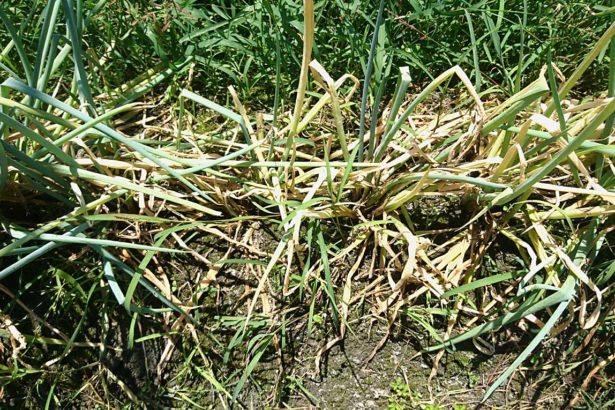
The symptoms of different diseases each have their own characteristics. Leaf blight mostly begins with yellowing and withering spots at the leaf tip and gradually spreads downward; purple blotch forms purplish-brown lesions with concentric rings on the leaves; rust produces orange-yellow powdery spore masses on the leaf surface; soft rot often causes the base of the plant to soften and rot with an accompanying off-odor. Growers should routinely patrol the fields and promptly identify abnormal leaves so as to achieve early detection and early treatment.
Agricultural control is the fundamental part of disease management. Before planting, disease-free and vigorous garlic seed should be selected, and seed garlic disinfection should be carried out when necessary; implementing a rotation with non-allium crops for more than two to three years can reduce the accumulation of pathogens in the soil; rational close planting helps maintain ventilation and light penetration, and timely drainage after rain lowers field humidity; in fertilization, avoid excessive application of nitrogen fertilizer and appropriately supplement phosphorus and potassium fertilizer, which helps enhance the plant's own disease resistance.
When disease has already occurred, diseased leaves and plants should be promptly removed and taken out of the field for disposal to prevent spread, and then targeted pesticides should be selected for spraying control according to the type of disease, with attention paid to rotating pesticides to delay the development of resistance. Before harvest, the pesticide safety interval should be observed to ensure the edible safety of garlic sprouts. Overall, garlic sprout disease control is based on prevention as the main approach and treatment as a supplement. If daily field management is done well, the losses caused by diseases can be significantly reduced.
Related Reading