An Analysis of the Benefits and Effects of Luffa (Sponge Gourd): Nutrition, Selection and Eating Tips
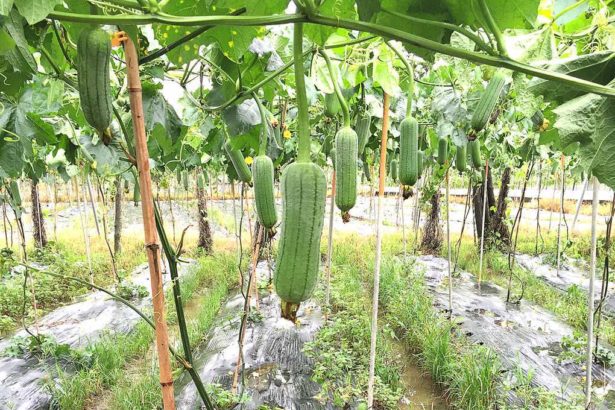
Luffa is an annual climbing herbaceous plant of the genus Luffa in the Cucurbitaceae family. The commonly cultivated types include the cylindrical luffa and the angled luffa, and it is a quite common summer vegetable in Taiwan, China. Its tender fruit has fine, soft flesh that becomes smooth, tender and sweet after cooking. Besides being eaten fresh, the fibers of the mature fruit can be dried and made into a luffa sponge for scrubbing pots and dishes, making it quite versatile.
From a nutritional standpoint, luffa has a high water content and is low in calories, and it contains dietary fiber, vitamin C and potassium, among other components. Dietary fiber helps with intestinal peristalsis and maintaining smooth bowel movements, making it well suited as a vegetable source in a balanced daily diet. However, luffa is, after all, an ordinary food and cannot claim therapeutic effects like certified health foods. If you have a chronic illness or feel unwell, you should still seek a doctor's help and simply treat it as part of your diet.
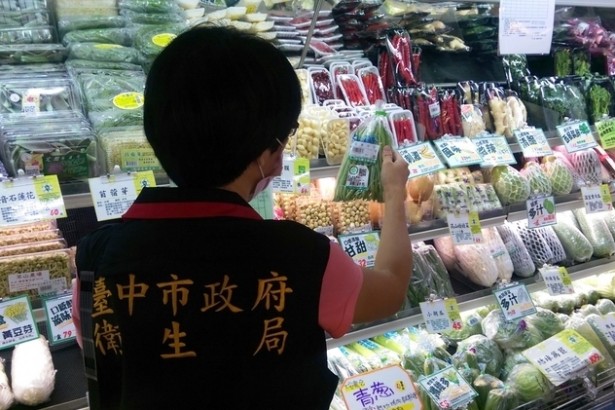
When selecting, choose ones with a well-proportioned body, emerald-green skin and a springy feel when pressed; fruits that are too large tend to have coarse, tough fibers and a poorer texture. Since pesticides may be applied during cultivation, there are occasionally cases of pesticide residues exceeding the limit found in market sampling tests. It is advisable to buy from reputable vendors or farmers, and to rinse under running water and peel before cooking for greater food safety.
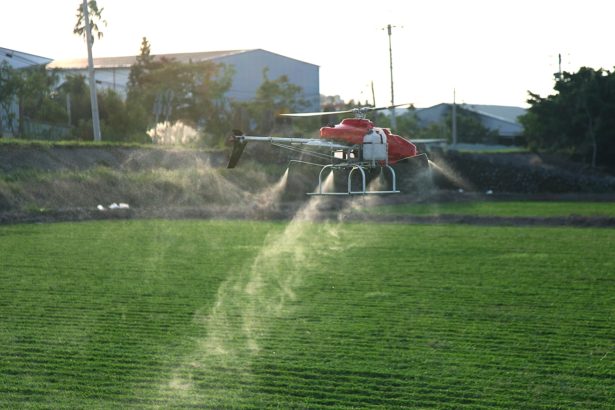
In terms of cultivation, luffa prefers warmth and ample sunlight, and the plants grow vigorously, but you still need to watch out for diseases such as Fusarium wilt. Once such diseases occur, they are not easy to control with chemicals, so some agricultural authorities have researched and promoted healthy grafted seedlings to enhance disease resistance, and some farmers have tried spraying pesticides with drones to make the control work in large gourd fields more labor-saving. When growing in a home vegetable garden, as long as you set up a trellis, keep good ventilation and water moderately, you will usually get a decent harvest.
Related Reading