What Are the Real Benefits of Coconut Oil? Still Awaiting Confirmation Amid the Oil Controversy
Text and photos / Consumers' Foundation, Chinese Taipei
Recently, the news about cooking oil has been in an uproar. Which oil can be eaten, how should it be eaten, and how do you choose a good oil? Homemakers are truly at their wits' end. However, a wave of enthusiasm for eating coconut oil has also recently swept Taiwan, China, because it is widely rumored that it can prevent or delay dementia; supporters even say it can promote weight loss, fight bacteria, and even indirectly treat cancer. Is this true?
What is coconut oil?
Coconut oil is a white to yellowish-white plant fat extracted from the flesh of coconuts after they are sun-dried and crushed. Its fatty acid composition includes about 44% lauric acid, 17% myristic acid, 9% palmitic acid, 8% caprylic acid, 7% oleic acid and 6% capric acid, among others. It oxidizes slowly and resists rancidity, making it suitable for high-temperature cooking and deep-frying. A wave of enthusiasm for eating coconut oil has recently swept Taiwan, China, because it is widely rumored that it can prevent or delay dementia.
According to a news article in the Commercial Times on April 11, 2013, titled "To Prevent Dementia, Coconut Oil Sold Out": "Wu Guilan loved eating scallion pancakes fried in coconut oil. After using it for 2 to 3 months, Wu Guilan recently suddenly called out the name of Wu Dongjin's great-aunt. Wu Dongjin said: 'Mom hadn't been able to say great-aunt's name for several years.' Wu Dongjin's friend's mother, after taking 3 to 4 spoonfuls of coconut oil with each meal, could already focus her gaze, proving that coconut oil really can improve the problems of senile dementia. Wu Dongjin said he now also spreads coconut oil on bread every morning, using it like butter; the taste is unexpectedly good, and younger people can use it for maintenance and prevention, while those who already have dementia symptoms can improve."
An April 14, 2013 report in World Journal, "Coconut Oil Has Miraculous Effects on Senile Dementia," also mentioned: "In 2008, when the author (Dr. Mary) searched for related information online, she read the patent specification for a drug (AC-1202) developed by a well-known American expert in treating dementia... and found that its chemical structure belonged to the so-called medium-chain triglycerides... She calculated that, by weight, AC-1202 contains 60% coconut oil... She found that the efficacy of AC-1202 actually lies in the 'ketone bodies' contained in coconut oil."
What are ketone bodies? Ketone bodies include three compounds: pyruvic acid, acetoacetic acid and beta-hydroxybutyric acid, and they are produced in large quantities only when the body is extremely starved or under certain pathological conditions such as diabetes, because fatty acid metabolism proceeds without the help of carbohydrates. Past observations have found that the method of inducing ketosis through prolonged starvation has an effect on treating intractable epilepsy in children. The effects of the ketogenic diet have been affirmed by a large amount of clinical records, and have spurred researchers to want to know further: does the ketogenic diet also have improving effects on other neurological diseases, such as Alzheimer's disease, Parkinson's disease, brain trauma, cerebral ischemia and hypoxia, and so on?
A review by the U.S. National Institute of Neurological Disorders and Stroke wrote: "The ketogenic diet has been in use for more than 80 years, mainly to treat epilepsy; for a wide range of neurodegenerative diseases, the ketogenic diet also provides protection."
The effects of the medical food Axona are widely questioned
However, following a ketogenic diet is extremely difficult. Medium-chain fatty acids or coconut oil are included because, at equal weight, they produce more ketone bodies than long-chain fatty acids, so they can lower fat content, increase the proportion of carbohydrates, and make the extreme diet more flexible and better accepted.
The problem is that promoters only talk about the benefits and do not provide relevant warnings. The content of the ketogenic diet is quite unbalanced (in its standard menu, the fat content is four times the sum of carbohydrates and protein, and it provides only 75 to 80% of caloric needs, while water is limited to between 500 and 1,000 cc.) , and it comes with many side effects, including vomiting, dehydration, constipation, dyslipidemia, osteoporosis, elevated liver enzymes, increased infection, weight loss, hyperuricemia, abdominal pain and diarrhea, kidney stones and gallstones, and water-soluble vitamin deficiencies, while children may also experience stunted growth.
So probably no one would be willing to adopt a ketogenic diet long term in order to prevent or treat Alzheimer's disease. Thus, in the United States, a medical food called Axona appeared, claiming to produce ketone bodies.
However, regarding Axona's efficacy, the U.S. Alzheimer's Association criticized it with reservations, suggesting that the pharmaceutical company obtained favorable results through imperfect clinical trials. The association then said: "Some Alzheimer's patients have switched to taking less expensive coconut oil, which is a directly purchasable source of caprylic acid. A few people say coconut oil can help Alzheimer's patients, but there have never been any relevant clinical trials, nor is there support from scientific evidence."
Also referring to a review by the Department of Neurology at the University of Florida College of Medicine: "Stories in newspapers and on the internet are pushing coconut oil as the top choice for improving cognitive function in patients with Alzheimer's disease or related dementias, but before trying these media 'therapies,' families are advised to consult their healthcare providers first."
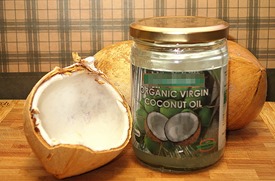
Coconut oil, which harms cardiovascular health, is also bad for the brain
People who believe the "media therapy" do not keep their calorie intake below the body's needs while taking large amounts of coconut oil -- that is, they are not in a starved state. As a result, large amounts of saturated fat will slowly deposit in the blood vessel walls, increasing the risk of cardiovascular disease and even worsening cognitive function.
Research has found that if the heart is well cared for, brain health can be well maintained; the positive factors that benefit the heart also help delay brain aging. In fact, diet, lifestyle habits, blood vessels, genetics and amyloid protein reinforce one another and jointly promote the occurrence and development of dementia, rather than arising from a single mechanism.
It is a global consensus that large amounts of coconut oil harm cardiovascular health
The World Health Organization, the U.S. Department of Health and Human Services, the U.S. Food and Drug Administration, the UK National Health Service, the International College of Nutrition, the American Dietetic Association, the American Heart Association, and Dietitians of Canada, among numerous other nonprofit organizations, all oppose eating large amounts of coconut oil.
The pamphlet "Avoiding heart attacks and strokes" issued by the World Health Organization states: Saturated fats and trans fats lead to the production of 'bad' cholesterol, and the use of such fats should be limited, including butter and ghee, palm oil and coconut oil, lard and shortening, and so on.
The U.S. Food and Drug Administration's explanation of the nutrition labeling on food packaging: "Saturated fatty acids come mainly from animal products such as meat and dairy products, as well as coconut oil, palm oil and hydrogenated vegetable oils... They increase the level of cholesterol in the blood, especially the level of LDL (or 'bad' cholesterol)." But what is puzzling is that many advocates of natural medicine strongly recommend that people eat coconut oil, and even believe that after saturated fatty acids enter the body they will be melted by body temperature, so they are not that frightening.
Coconut oil being a "good oil" comes from a distortion of scientific research
In the past, the merits of a diet for cardiovascular health were evaluated only on the basis of its effect on total cholesterol levels, so lauric acid, myristic acid and palmitic acid in fats became the worst nutrients. Although this view has now been revised to a certain extent, the scientific community still believes that the merits of fats for cardiovascular health mainly lie in their degree of saturation, and that replacing saturated fat with polyunsaturated fat can truly reduce the risk of heart disease.
A review by the Atherosclerosis Department of Children's Hospital Oakland in the United States also holds this view: saturated fat is bad for the cardiovascular system, but the key question is what nutrient should be used to replace it. Replacing saturated fat with polyunsaturated fat, rather than refined carbohydrates and sugar, is what benefits heart disease.
The American Heart Association recommends: "Whether for cooking or for cold dishes, please use oils with the least saturated fat, trans fat and cholesterol, such as canola oil, corn germ oil, olive oil, safflower oil, sesame oil, soybean oil, and sunflower oil... and stay away from tropical oils such as coconut oil, palm oil and palm kernel fat, even though they are vegetable oils and contain no cholesterol, because they have too much saturated fat."
Coconut oil, passed off as medium-chain triglycerides, claims to promote weight loss
In the market, medium-chain triglycerides can be used in medicine as a special source of calories for patients with problems absorbing fat; in food, they are used as solvents for flavorings and colorants.
Each gram of medium-chain triglycerides has 8.3 kcal, different from the 9 kcal of long-chain ones (that is, ordinary cooking oil). But taking more than a certain amount of medium-chain triglycerides easily causes abdominal pain and diarrhea, so such a diet cannot be used long term.
Animal experiments have found that, compared with isocaloric long-chain fats, pigs fed medium-chain triglycerides had lighter body weight and less fat accumulation. However, when applied to humans, this is only the case when large amounts are taken at the beginning; over time, this effect weakens and does not help long-term weight loss.
Furthermore, those who support coconut oil's ability to promote weight loss also believe that medium-chain triglycerides can be efficiently broken down into calories in the liver, and that their metabolic rate is 10 times that of long-chain fatty acids, so they are hard to accumulate and will not cause obesity. In fact, if total calorie expenditure is not increased, then the preferential breakdown of medium-chain fatty acids merely crowds out the metabolism of other nutrients, causing other nutrients to be converted into fat for storage!
Monoglycerides can fight bacteria, which does not mean coconut oil can too
Supporters who claim coconut oil has many benefits also say it can fight bacteria, boost immunity, and even indirectly treat cancer. But is this claim true? In fact, the antibacterial property of monoglycerides can at most be used outside the body or on the skin surface; otherwise, once digested by the stomach and intestines, it becomes ineffective.
According to research, the main factor determining the antibacterial ability of monoglycerides is the length of the fatty acid. Monocaprylin has the strongest antibacterial activity among lipid preservatives, rather than monolaurin, which is closely related to coconut oil. According to animal experiments by the Department of Biochemistry at Georgetown University Medical Center in the United States:
"People wanted to know whether coconut oil, which is high in lauric acid, could raise the production level of monolaurin and successfully overcome invasion by Staphylococcus aureus or other microorganisms. After the experiment, it was found that the survival rate of coconut-oil-fed mice after infection was almost exactly the same as that of mice given normal saline; it had no antibacterial activity."
What is more, antibacterial action and strengthening immunity are two different concepts: for example, when a large amount of preservatives is detected in food, can the manufacturer say that this helps boost immunity? The answer is obviously no, let alone indirectly treating cancer!
Because coconut oil's content of polyunsaturated fatty acids is pitifully low, long-term consumption of it alone can also easily lead to a deficiency of essential fatty acids; and people who often eat foods rich in short-chain and medium-chain fatty acids should beware that the body may age faster.
How to eat in a way that better helps maintain healthy brain function
The Consumers' Foundation points out that although the pathogenesis of Alzheimer's disease is still unclear and its treatment results are not ideal, besides regular exercise, some nutritional factors such as a high-calorie diet, refined sugar, fatty acids, vitamins, minerals, heavy metals, and even health foods are closely related to Alzheimer's disease and vascular dementia, so it specifically offers the following recommendations:
l The brain consumes a great deal of oxygen, and oxygen deficiency will interfere with brain function, so exercise to promote blood circulation.
l A high-calorie diet causes obesity, diabetes and cardiovascular disease, all of which increase the risk of dementia.
l A fondness for sweets harms cognitive ability, especially fructose and high-fructose syrup.
l Fats that are bad for cardiovascular health should be avoided as much as possible.
l B vitamins participate in the use of glucose and help the brain's normal calorie supply.
l Long-term high blood pressure can lead to cognitive decline, and excessive salt easily pushes up blood pressure.
l Aluminum causes nerve cell death, and it mainly enters the body through four routes: excessive aluminum in drinking water, aluminum-containing leavening agents in food, the use of aluminum cookware and aluminum foil packets, and aluminum-containing drugs.
l The health food spirulina, commonly known as blue-green algae, contains the neurotoxin BMAA, which causes Alzheimer's disease, Parkinson's disease and ALS.
The Consumers' Foundation also appeals: do not take health foods indiscriminately in daily life, pay attention to hygiene and safety, and give priority to natural foods rich in vitamins, minerals and phytonutrients; stay away from processed and refined things that are high in calories, high in fat and high in sugar, while whole grains, root vegetables, small sea fish, and fresh vegetables and fruits are the natural foods that are good for the brain.