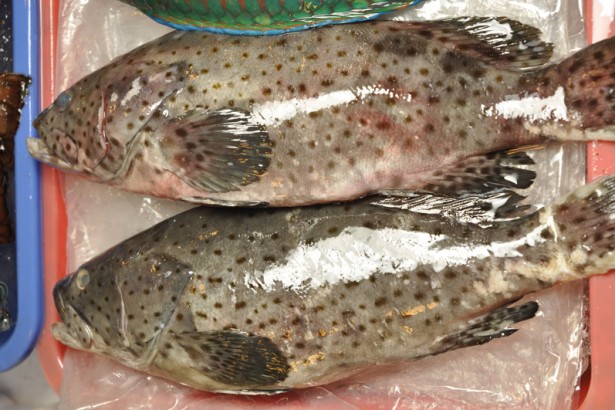
Grouper Species: A Detailed Guide to Common Varieties, Characteristics and Aquaculture Value
Grouper is a general term for a variety of marine fish in the genus Epinephelus of the family Serranidae, mainly distributed in tropical and subtropical coastal rocky reef and coral reef waters. They are mostly oval in shape with a relatively large mouth, and their bodies often bear spots or stripes. They are typical carnivorous fish, feeding on small fish, shrimp and crabs.
Common grouper species include the green grouper (Epinephelus coioides), the red-spotted grouper (Epinephelus akaara), the oblique-banded grouper (Epinephelus undulosus), the tiger grouper (Epinephelus fuscoguttatus) and the giant grouper (Epinephelus lanceolatus). Among them, the tiger grouper's body is covered with brown mottled markings, while the giant grouper is larger in size and grows faster. The pearl grouper commonly seen on the market is a hybrid of the two, combining the advantages of both. Prestigious marine delicacies such as the leopard coral grouper (Plectropomus leopardus) and the humpback grouper (Cromileptes altivelis) are also often broadly classified as groupers.
Grouper has tender flesh and a delicious flavor, with a relatively high protein content. It is a high-end seafood for banquets and an important species for marine aquaculture in coastal areas. Farming methods are mainly pond culture and cage culture, and farming areas are mostly concentrated in coastal provinces with higher water temperatures such as Guangdong, Fujian and Hainan.
Grouper prefers warm environments and grows best at water temperatures of around twenty-plus degrees Celsius. It has high water quality requirements, so during farming it is necessary to control stocking density, keep the water clean and carry out disease prevention. In addition, grouper has the characteristic of sex reversal, being mostly female in the early stage, with some individuals turning into males as they grow, which requires special attention in artificial breeding.
Related Reading