Green-kernel black beans are a nutrient-rich black legume with many ways to be eaten
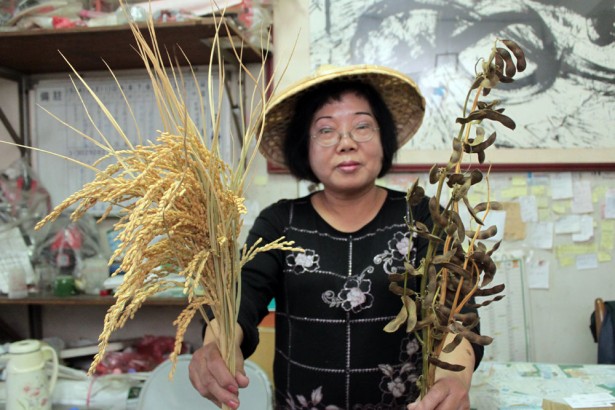
Green-kernel black bean is a type within black soybeans, named because the kernel appears green after the seed coat is peeled back. It belongs to the same black bean family as the yellow-kernel black bean, with a shiny jet-black seed coat and plump, firm beans, making it one of the common edible legumes on the dining table.
In terms of characteristics, the seed coat of green-kernel black beans is rich in anthocyanins, while the kernel contains protein, dietary fiber, vitamin E and soybean isoflavones, among other components, with a rich bean aroma. Because its nutrients are relatively concentrated, it is often used as a health food ingredient, appearing in everyday drinks and tonic dishes.
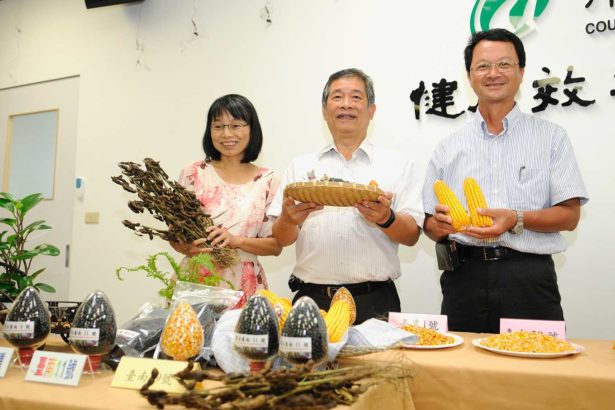
In terms of cultivation, black beans prefer a warm climate and are mostly sown in spring or in late summer and early autumn, requiring ample sunlight and well-drained soil during the growing period. Several black bean varieties have been bred in the Taiwan region of China, with representative green-kernel types such as Tainan No. 3, and in recent years new varieties have been released one after another, with improvements in both yield and cultivation performance.
In terms of uses, the most common way to eat green-kernel black beans is to roast them and brew them into black bean tea, or grind them into black soy milk, stew them in medicinal tonic soups, and they can also be processed into fermented black beans, soy sauce, black bean powder, or even grown into black bean sprouts, making their uses quite wide-ranging.
When selecting, plump beans with a glossy seed coat and no insect damage or mold are best; for storage, they should be sealed, kept dry and protected from light to prevent dampness, mold or insects, and once opened they should be eaten as soon as possible so that the flavor and quality do not deteriorate.
Related Reading