Autumn and Winter Cabbage Planting Techniques and Field Management Key Points
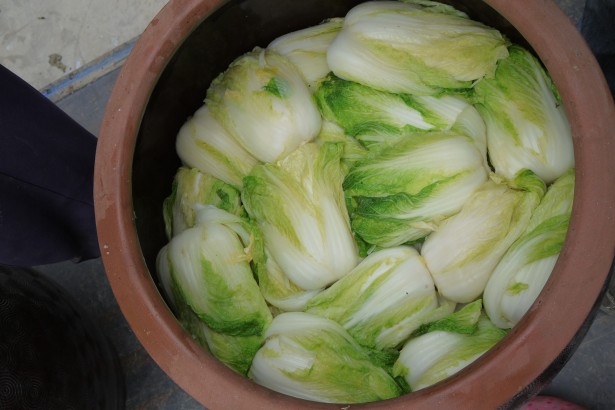
Autumn and winter cabbage planting refers to the cultivation of Chinese cabbage sown around the Start of Autumn and harvested from late autumn to early winter. The cool climate and large temperature difference between day and night in this season favor tight head formation and a sweet, crisp taste, and it is also traditionally the main source for winter storage and pickling into sauerkraut.
As for sowing timing, the period around the Start of Autumn is usually the suitable sowing window for autumn Chinese cabbage, and the exact date can be adjusted flexibly according to local temperatures. Before sowing, the soil should be deeply plowed and prepared, with plenty of decomposed organic fertilizer applied as a base fertilizer. Either direct seeding or seedling transplanting can be used. After emergence, thin and then finalize the seedlings in time, maintaining a reasonable plant spacing to avoid overcrowding that affects head formation.
In terms of fertilizer and water management, the rosette stage and head-forming stage are the peak periods of nutrient demand. On top of the base fertilizer, supplementary fertilization can be applied in several split applications, with attention to a balanced combination of nitrogen, phosphorus, and potassium to promote full, solid heads. Watering should follow the principle of watering when dry and withholding when wet; during the head-forming stage, keep moisture supply even, and moderately reduce watering before harvest, which helps improve quality and storage tolerance.
Among common problems, tipburn is mostly related to calcium deficiency or uneven water supply, and can be prevented by balancing irrigation and avoiding excessive nitrogen fertilizer. Soft rot, downy mildew, as well as aphids and cabbage caterpillars also need attention. Only by promptly removing diseased plants, maintaining field ventilation and drainage, and combining crop rotation with moderate pesticide use for integrated control can stable yields and a good harvest be ensured.
Related Reading