The Agricultural Encyclopedia is a practical guide to understanding agricultural knowledge and technology
The Agricultural Encyclopedia is an encyclopedia-style entry that systematically organizes agricultural knowledge, covering crop cultivation, livestock and poultry farming, soil and fertilizer, plant protection, agricultural machinery, and agricultural policy, among many other areas. Whether you are a professional farmer engaged in production or an ordinary reader interested in agriculture, you can look up the background knowledge you need.
Unlike scattered information, the Agricultural Encyclopedia emphasizes completeness and accuracy of content. Each entry is usually organized according to the structure of what it is, what characteristics it has, and how it is applied, making it easy for readers to quickly build an overall understanding. Entries are also interrelated, so readers can extend from one topic to related content and gradually form a complete knowledge framework.
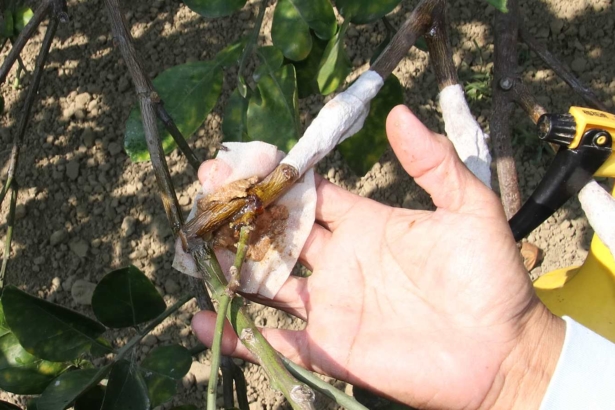
In terms of scope, it includes both technical entries such as pest and disease control for fruit trees and cultivation of crops like corn, as well as policy-related topics such as farmland for agricultural use, regulations related to farmhouses, farmers' rights and interests, and herbicide use management. Technical content helps solve practical problems in production, while policy content helps readers understand the regulatory background and reduce the confusion caused by unclear information.
In practical use, the Agricultural Encyclopedia can serve both as a handy reference tool and as a starting point for beginner learning. When encountering situations such as abnormal crop growth or uncertainty about pesticide use, first clarify the basic principles through the entries, then handle the matter in combination with the opinions of the local agricultural technology department, which will be more reliable. Climate, soil, and regulations differ from place to place, so specific operations still need to be flexibly judged according to local conditions.
Related Reading