A Complete Introduction to the Definition, Classification and Modern Development Trends of Agriculture
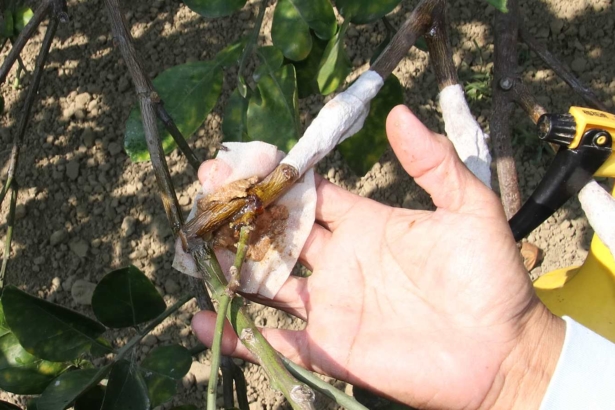
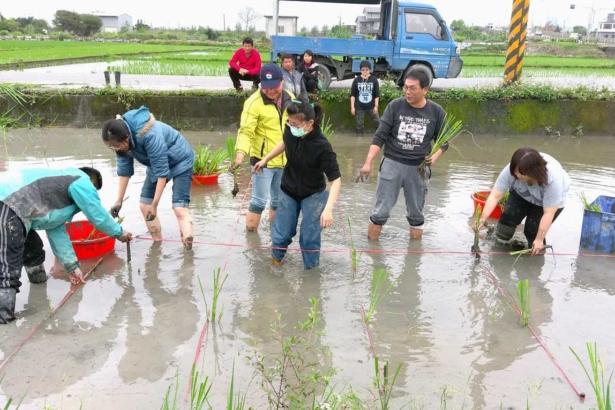
Agriculture is the production activity in which humans use land, sunlight, water and biological resources to obtain food and industrial raw materials by cultivating plants and raising animals, and it is also the oldest basic industry in history. It not only provides people with daily necessities such as grain, vegetables and fruit, meat and dairy products, but also supplies important raw materials for industries such as textiles and food processing.
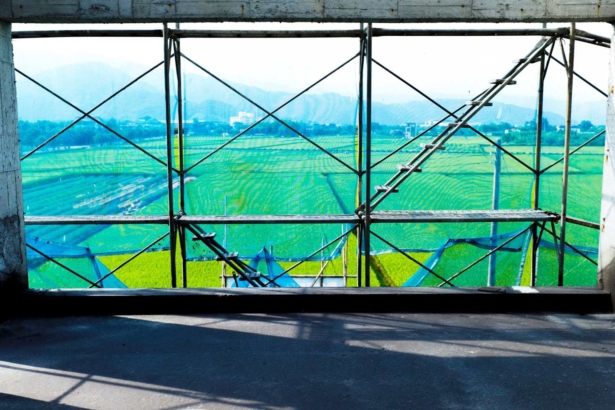
Divided by production object, agriculture generally includes crop farming, animal husbandry, forestry and fisheries. Crop farming covers the cultivation of grain crops, cash crops and horticultural crops; animal husbandry focuses mainly on raising pigs, cattle, sheep, poultry and other livestock and poultry; forestry and fisheries, meanwhile, carry out production based on forest resources and water resources respectively. Because of differences in climate, soil and terrain, each region has developed its own distinctive agricultural layout.
With the development of science and technology, agriculture is shifting from traditional human and animal labor toward modernization. New models such as protected agriculture, smart agriculture, ecological agriculture and organic agriculture are gradually being promoted, and technologies including the Internet of Things, drones and data analysis are beginning to be applied to field management, helping farmers raise production efficiency, save resources and reduce the burden on the environment.
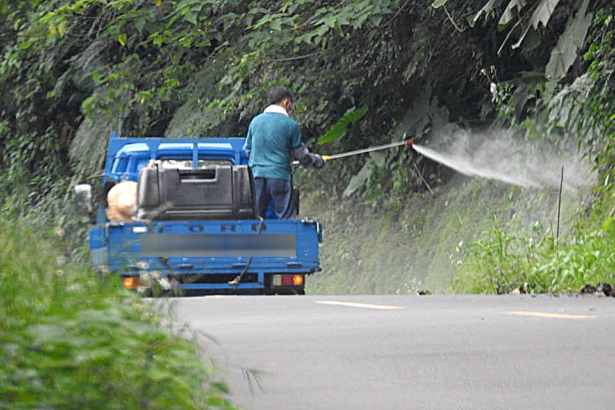
Agriculture is not just an economic issue; it also concerns food security, farmland use and farmers' rights. Topics such as whether farmland is used for farming, whether herbicides are abused, and how farmer qualifications are determined often trigger public discussion. Protecting cultivated land, regulating farmland use and safeguarding farmers' reasonable rights are important foundations for the sustained and healthy development of agriculture.
Related Reading