Sow feeding and management requires science-based feeding by physiological stage
Sow feeding and management refers to the systematic management measures taken around different physiological stages such as replacement gilts, pregnant sows and lactating sows, covering feeding and nutrition, pen environment, and health and disease prevention. Because sows carry the task of breeding piglets, the quality of the feeding level directly affects the number of piglets born, the piglet survival rate and the economic returns of the entire pig farm.
In actual production, sow feeding is usually carried out in stages. Replacement gilts are fed with the goal of promoting skeletal development and normal estrus; pregnant sows need moderate feed restriction in early pregnancy to prevent excessive fatness from affecting embryo implantation, and then the nutrient concentration is gradually increased in late pregnancy to meet the needs of rapid fetal development; lactating sows, meanwhile, need increased feed intake and clean drinking water to ensure sufficient milk production while avoiding too rapid loss of body condition, which would affect the next mating.
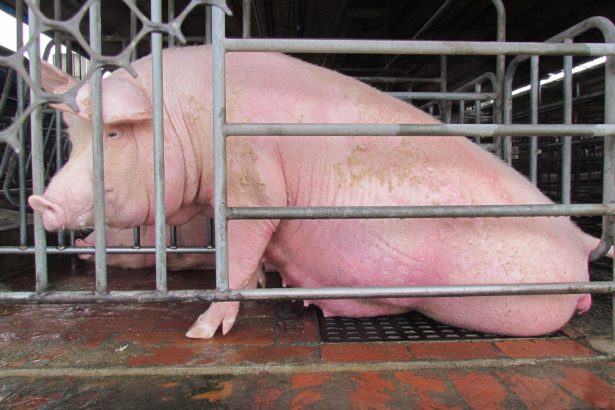
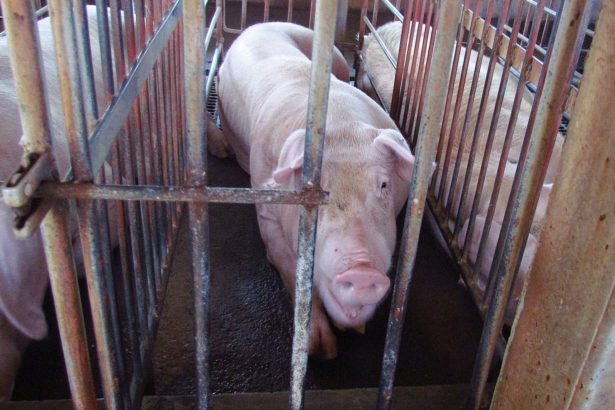
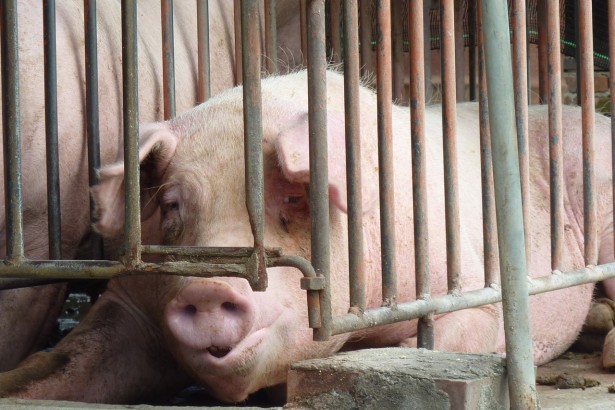
In recent years, sow farming models have also been shifting toward welfare-oriented approaches. Although traditional gestation crates are easy to manage, long-term confinement easily causes leg and hoof problems and restricted behavior in sows, so many regions have begun promoting group housing models, reducing fighting among sows by reasonably controlling group size, providing sufficient activity space and setting up separate feeding facilities.
Daily management also needs to pay attention to the effects of seasonal changes; for example, in winter, pens should be kept warm and moisture-proof to prevent pregnant sows from catching cold and suffering miscarriage or respiratory diseases. At the same time, keeping pens dry and ventilated, disinfecting regularly, and completing vaccinations and deworming according to schedule are all necessary to keep sows in good body condition and extend their service life.
Related reading