Ants Are Insects: Body Features and Taxonomic Classification Explained in One Go
Ants are insects, and this is very clear in taxonomy. They belong to the class Insecta, order Hymenoptera, family Formicidae, making them relatives of bees and wasps in the same order. Many people doubt this because ants do not fly, have dark body colors, and often crawl on the ground, so they do not look much like typical insects such as butterflies and dragonflies.
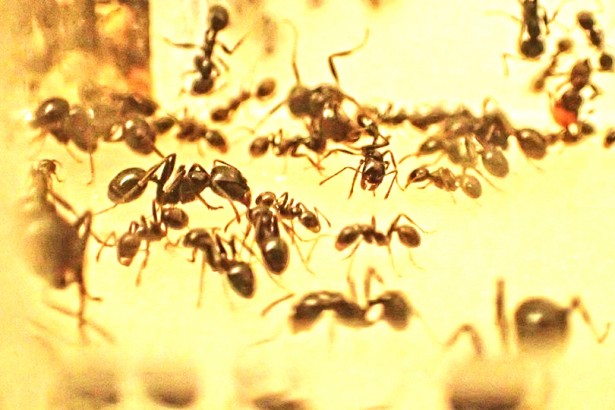
To judge whether an animal is an insect, you can look at a few basic features. An insect's body is divided into three parts: head, thorax, and abdomen, with three pairs of legs, one pair of antennae, and in most cases wings. Ants also have these structures: adults have three pairs of legs, the head, thorax, and abdomen are clearly segmented, the head bears a pair of elbow-shaped bent antennae, and the body surface is covered by an exoskeleton.
Worker ants have no wings, which is exactly the common source of misunderstanding. In fact, during the reproductive period, female ants and male ants have wings and leave the nest during the nuptial flight to mate. After success, the female ant lands, sheds her wings, and establishes a new nest to become the queen. An ant goes through four stages in its life: egg, larva, pupa, and adult, making it a holometabolous insect, which is also one of the typical features of insects.
Ants are also typical social insects, and a colony usually has a queen and workers, while some species also have soldiers, with clear division of labor among members. In nature, they can carry and break down organic matter and loosen the soil, making them an important part of the ecosystem. However, after non-native ants enter a new environment, they may expand rapidly and impact the local ecology, so ants should not be introduced or released at will.
Related Reading