Cottonseed has a wide range of uses, and oil pressing, feed and seed saving each have their own points to note
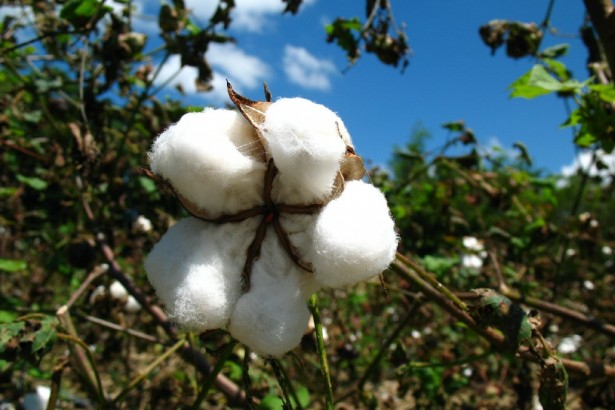
Cottonseed is the seed left after the cotton plant, a member of the genus Gossypium in the mallow family, flowers and sets fruit, and it is also the main by-product obtained after ginning. Its outer layer is covered with grayish-white short fibers called linters, and once the linters are removed, what remains is what we commonly call delinted seed. Though it is small, it is a part of the cotton industry that cannot be ignored.
Structurally, cottonseed consists of the seed coat, embryo and cotyledons, and the cotyledons store abundant oil and protein, which is the main reason it can be used for oil pressing. The oil content of cottonseed kernels is relatively high among common oilseeds, and the crude cottonseed oil obtained by pressing or solvent extraction can be used for food or industrial purposes after refining and degossypolization. Cottonseed hulls and linters also have their uses and can be used to cultivate edible fungi, make paper, or produce cellulose-based products.
In terms of livestock farming, the cottonseed meal left after oil extraction contains a good amount of protein and, after degossypolization treatment, can serve as a protein feed source for livestock. It should be noted that cottonseed contains gossypol, a compound that is toxic to humans and some animals, so untreated cottonseed cake should not be fed directly in large amounts, and it certainly should not be eaten casually as an ordinary food.
If it is kept for seed use, cottonseed should be carefully selected after harvest, removing shriveled seeds, broken seeds and diseased seeds. Before sowing, sun the seeds appropriately and carry out treatments such as delinting and chemical seed dressing, and germination will be more uniform. Sowing time is generally arranged after the soil temperature has steadily risen again, which gives better assurance of seedling emergence. To learn more about cotton cultivation and cottonseed oil, you can continue browsing the encyclopedia articles on this site.
Related Reading