What Are the Precious Chinese Medicinal Herbs? A Full Analysis of Common Varieties and Their Value
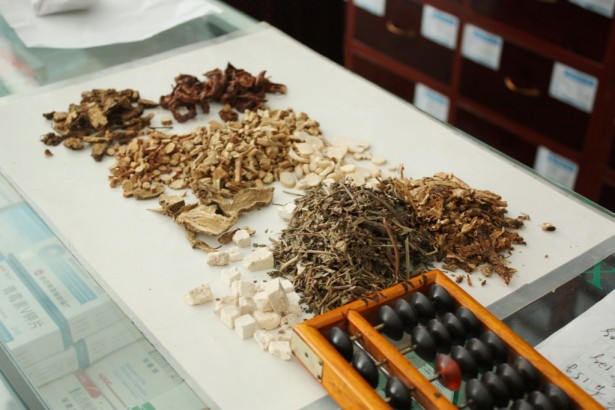
Precious Chinese medicinal herbs generally refer to herbs that are scarce in source, difficult to harvest or cultivate, outstanding in medicinal value and relatively high in market price. Such herbs hold an important place in traditional Chinese medicine and are often used to nourish and strengthen the body and to regulate the constitution, and because of their scarce resources they also draw attention in the market and among collectors.
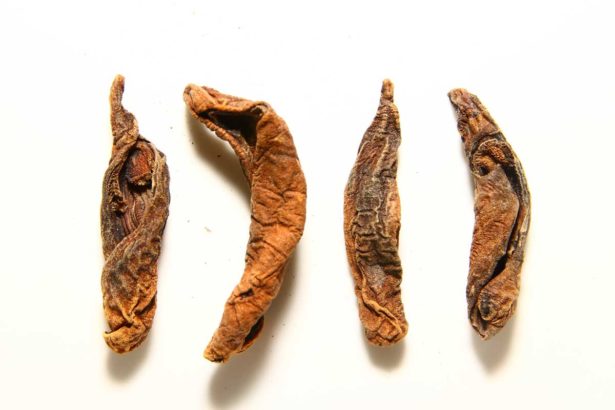
Common varieties include wild mountain ginseng, deer antler velvet, Chinese caterpillar fungus (Ophiocordyceps sinensis), musk, cow bezoar, reishi mushroom (Ganoderma lucidum), Gastrodia elata, Dendrobium officinale, saffron (Crocus sativus) and Panax notoginseng. Among them, ginseng, deer antler velvet, musk and cow bezoar are often regarded as representatives of traditional tonic herbs, while Chinese caterpillar fungus has long been highly esteemed because of its special growing environment and limited yield.
In application, most precious Chinese medicinal herbs have strong medicinal properties and call for use based on pattern differentiation and moderate tonification; for example, ginseng and deer antler velvet are mostly used to nourish people with a weak constitution, while Gastrodia elata and Panax notoginseng often appear in formulations for invigorating blood circulation and calming the mind. It should be noted that not everyone is suited to taking precious medicinal herbs, and it is best to choose them under a physician's guidance according to one's own constitution.
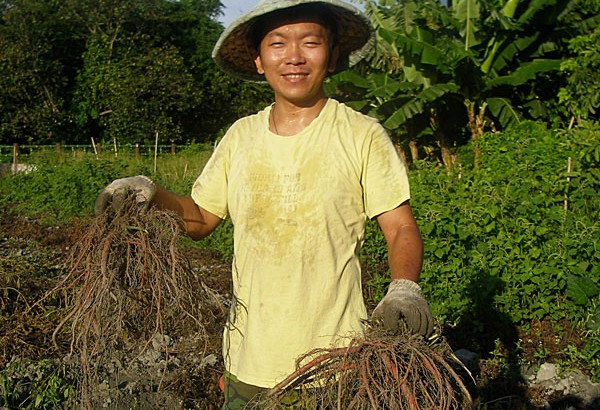
Because of their high prices and tight supply, practices such as passing off inferior goods as superior ones and passing off fakes as genuine ones occur from time to time in the market for these herbs, so when buying one should use proper channels and take care to distinguish genuine from fake. In recent years, with the advancement of standardized cultivation, varieties such as Gastrodia elata and Dendrobium officinale have been successfully cultivated artificially, which both relieves the pressure on wild resources and gives more consumers the chance to come into contact with these traditional medicinal herbs.
Related Reading