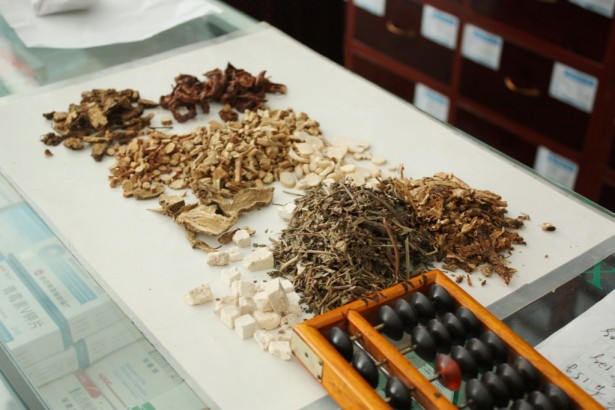
There are many kinds of precious Chinese medicinal herbs, and both authenticity identification and cultivation have their own particularities
Precious Chinese medicinal herbs are a collective term for a class of medicinal materials in the traditional Chinese medicine system that have scarce sources, outstanding medicinal value and relatively high market prices, and they are often used in clinical formulas and daily tonics. Common ones such as ginseng, sanqi (Panax notoginseng), tianma (Gastrodia elata), lingzhi (Ganoderma lucidum), shihu (Dendrobium), cordyceps (Ophiocordyceps sinensis), as well as animal-derived ones such as deer antler, cow bezoar and leech, are mostly placed in this category. Most of them grow under specific regional and climatic conditions, their resources are limited, and they have always been highly valued.
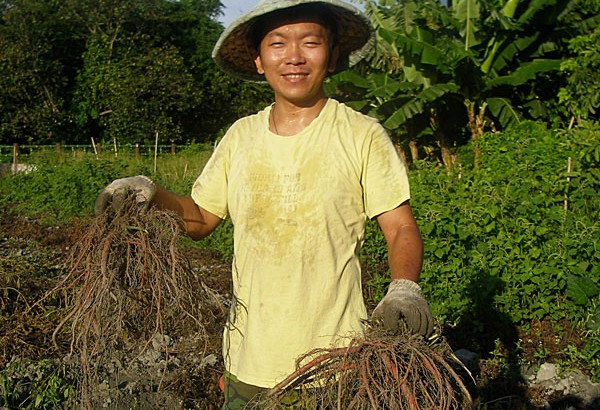
The prominent features of this type of medicinal material are a long growth cycle and demanding requirements for the ecological environment; wild resources are increasingly declining, and many varieties have shifted to artificial cultivation or farming. In recent years, standardized cultivation of Chinese medicinal herbs has been promoted in various places, and in some suitable areas large-scale production bases for varieties such as tianma, zhi zi (Gardenia jasminoides) and jiegeng (Platycodon grandiflorus) have been formed, which has both eased the pressure on wild resources and improved the stability of medicinal material supply.
In terms of application, precious Chinese medicinal herbs emphasize syndrome-based use and reasonable compatibility; a single medicinal material cannot cure all diseases. When taking tonics in daily life, one should consult a professional physician according to one's own constitution and avoid blindly following trends, since improper dosage and usage may instead place a burden on the body.
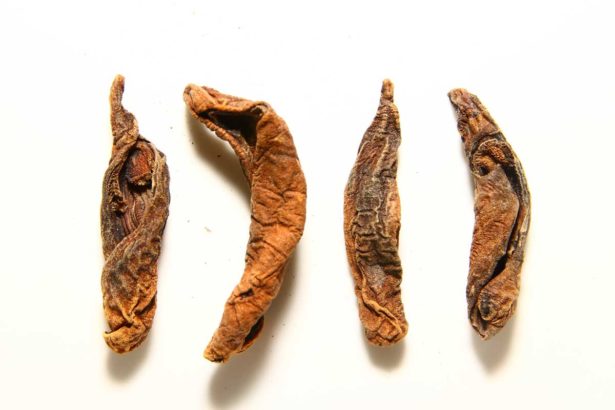
Because of their high prices, there are occasionally cases on the market of inferior goods being passed off as superior ones, confusable substitutes being used as imitations, and even adulteration, and individual varieties have also seen counterfeiting similar to food ingredients from other places. When purchasing, one should use proper channels, pay attention to information on the place of origin and the botanical origin, and ask professionals to assist with identification when necessary. At the industry level, standardized cultivation and traceability management are also being advanced to better safeguard consumer medication safety.
Related reading