An Introduction to Plum Varieties, Producing Regions and Cultivation Techniques
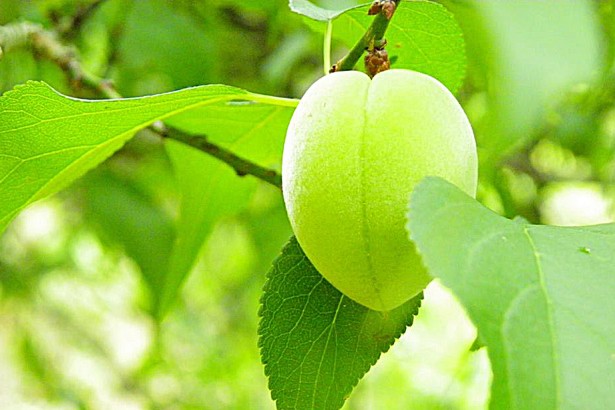
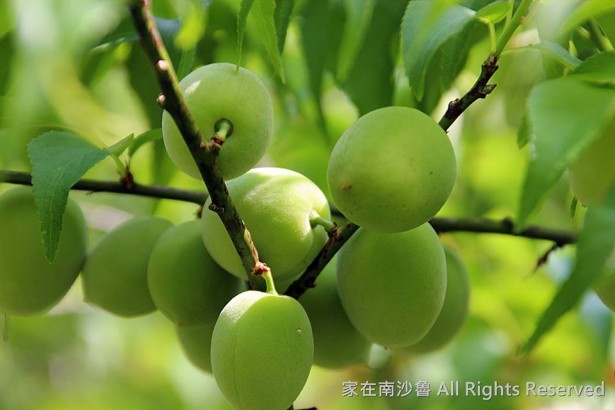
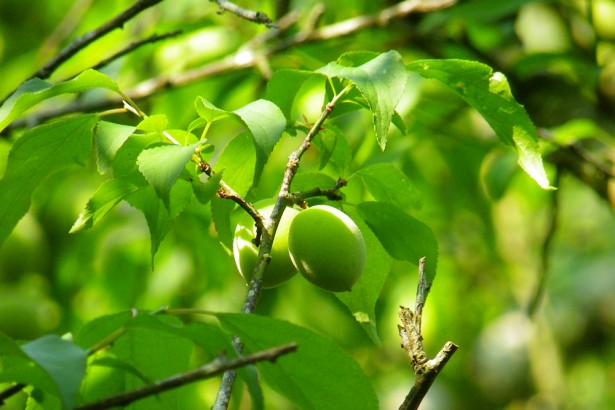
The plum is the fruit of the plum tree (Prunus mume) in the rose family. It usually blooms in late winter and early spring, and the fruit is harvested in spring. The fruit is a drupe; when unripe it is blue-green, and its flesh is high in acidity, so it is rarely eaten fresh. Instead it appears in everyday diets mostly as processed products such as crisp plums, preserved plums, plum wine and plum vinegar, making it a highly distinctive agricultural product.
Based on fruit color and use, cultivated varieties can be broadly divided into green plum types and red plum types. Common ones include green plum lines with blue-green skin that are suitable for pickling and winemaking, as well as red-tinged varieties such as the Rouge plum. Varieties differ slightly in acidity, flesh thickness and aroma, and their suitability for processing also varies. Growers usually choose lines according to the conditions of their own plum orchards and the needs of buyers.
In terms of cultivation, the plum tree prefers a warm, humid climate, but still needs suitably low temperatures in winter to enter dormancy and bloom properly. If a warm winter occurs or the flowering period suffers cold damage, the fruit-setting rate drops noticeably, and excessive spring rain can also easily cause fruit drop and reduced yields, so weather is the biggest variable in plum production. Cultivation mostly uses grafting for propagation, with emphasis on pruning, drainage and fertilizer management. In recent years some growers have also adopted sod culture to reduce pesticide use and make orchard ecosystems more balanced.
In terms of producing regions, plum orchards in Taiwan, China are mostly concentrated on hills and slopes in the central and southern parts of the island, with large areas under cultivation around Nantou, Tainan and Kaohsiung. Because the harvest period is short and the fresh fruit is highly acidic, plums mostly depend on processors to buy them, and prices are easily affected by fluctuations in output and market conditions. Production models that emphasize fair trade and pesticide-free cultivation have also gradually attracted attention, bringing a more sustainable direction to the plum industry.
Related Reading