Grass-cultivated, pesticide-free tribal plums - we invite you to show your support
Editor's note: The author is a former reporter for the Morakot News Network, long stationed in Taoyuan District, Kaohsiung, assisting the community with the transport and marketing of agricultural products. This year the farmers' association and the candied fruit factory cut their purchases of green plums, causing a huge impact on the community. The author is helping sell fresh green plums; the detailed information is below.
──────────────────────────────────────────────────
The green plum season is a very important source of agricultural work for the community. Many young people who have left to work elsewhere make a special trip back to the community to earn some wages for manual labor. This year the quantity purchased under the factory-farmer cooperation is extremely low, effectively a breakdown of the program's ability to intervene in the green plum market. The farmers in the community who grow green plums will soon face a bleak future in which green plum prices fall year after year to nothing.
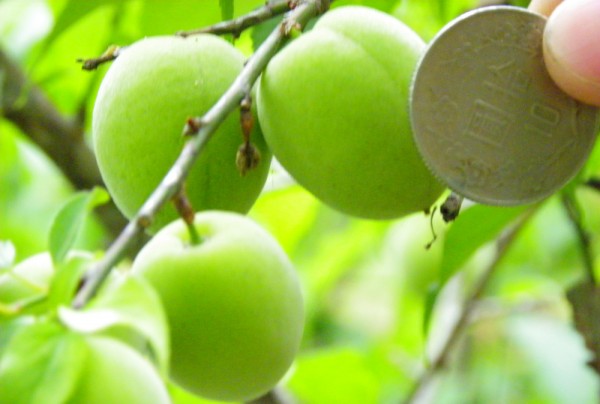
To support the community's green plum industry, we ask everyone to buy fresh fruit directly to make various plum products. We will find for you environmentally friendly plum orchards that practice grass-based cultivation, use no pesticides and no chemical fertilizers, and hand-pick fresh fruit. The green plums range in diameter from a NT$5 coin (>2cm) to a NT$50 coin (3cm), with a retail price of 40 yuan per Taiwanese catty, shipping extra (comparison table below). Please take a look, thank you.
The comparison below is from the small-fruit stage. The coming week is the critical period when the small fruits ”become adults”; the fruits are ”gradually growing bigger”. If there are a few spring rains, our green plums will be even better.
 A plum orchard under grass-based cultivation