When Do Lychees Ripen?
Lychee is a well-known subtropical summer fruit, and in China its ripening period is roughly concentrated from May to July, with the exact timing varying noticeably depending on the climate of the growing region and the cultivar. Generally, the southern production areas at lower latitudes, where warm weather arrives earlier, come to market sooner, followed by the main production regions of Guangdong, Guangxi, Fujian, Hainan and Taiwan, China, which successively enter their peak harvest season.
There are many lychee cultivars, and they can be roughly divided into three categories by ripening time: early, mid-season and late. Early cultivars such as Sanyuehong can be harvested as early as late spring; mid-season cultivars such as Feizixiao and Heiye mostly ripen between May and June; and late cultivars such as Nuomici and Guiwei do not come to market until late June through July. The ripening periods of the various cultivars follow one another, so that the lychee supply can extend across the entire summer.
To judge whether a lychee is ripe, first observe the skin: after ripening, most cultivars turn from green to red or take on a reddish blush, while a few cultivars retaining some green is also normal. Fruit that feels plump, has clear ridges on the shell and a rich fragrance is usually well ripened; once peeled, the flesh is translucent white, juicy, sweet and aromatic, which is the ideal state for eating.
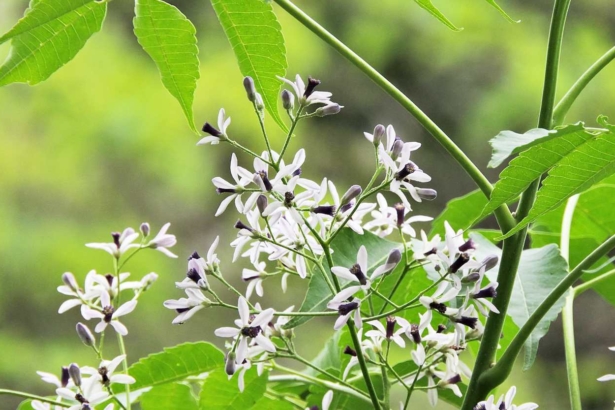
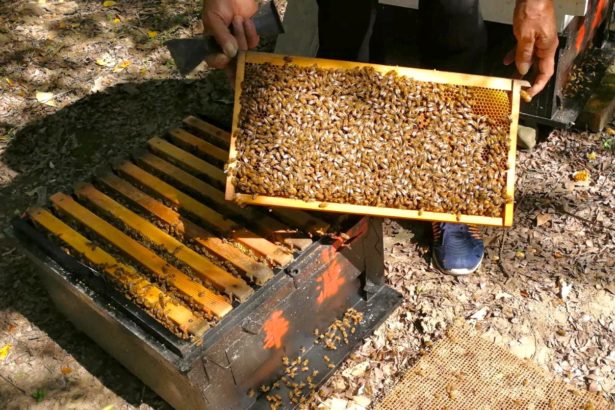
Lychee blooms in early spring, and during the flowering period it needs pollination by bees and other insects to set fruit successfully. If flowers are scarce and nectar is lacking during bloom, that year's harvest is often affected. During fruit development, attention must also be paid to the control of pests and diseases such as the lychee stink bug and thrips to ensure fruit quality. Ripe lychees do not keep long; at room temperature they easily change color and flavor, so after buying them it is best to eat them as soon as possible or store them briefly at low temperature, so as not to miss their best taste.
Related Reading