Lotus Information Guide: Getting to Know the Characteristics, Varieties and Cultivation Value of the Lotus
The lotus, also known as the sacred lotus, is a perennial aquatic herbaceous plant in the family Nelumbonaceae, commonly found in ponds, lakes and paddy fields. Its underground stem grows horizontally in the mud, and this is the familiar lotus root; the shield-shaped leaves rise above the water surface, and it blooms in summer, with flowers commonly in pink, white and other colors. After the flowers fade, the receptacle develops into a seed pod, and the lotus seeds inside are both the seeds and an edible food.
Divided by use, the lotus can be roughly grouped into three main categories: root lotus, grown mainly for harvesting the underground stem; seed lotus, grown mainly for harvesting lotus seeds; and flower lotus, grown mainly for ornamental blooms. Among the flower lotuses there are also miniature varieties such as bowl lotus, which can be grown in containers and are very suitable for balconies and courtyards. It should be noted that the water lily and the lotus are not the same plant: water lily leaves float flat on the water surface and it has no seed pod, yet the two are often confused; the snow lotus, meanwhile, is another plant that grows at high altitudes and has no relationship to the lotus.
The lotus likes warmth and ample sunlight, and is suited to still or slow-flowing water, with fertile pond mud as the best soil. For home cultivation, choose a large vat or a dedicated water basin, fill it with pond mud and bury the seed lotus root in it, keep the water level stable and place it in a sunny spot; it will sprout and grow in late spring and early summer. During the growing period, be careful not to let the water run out, and avoid the water turning foul, which would affect its growth.
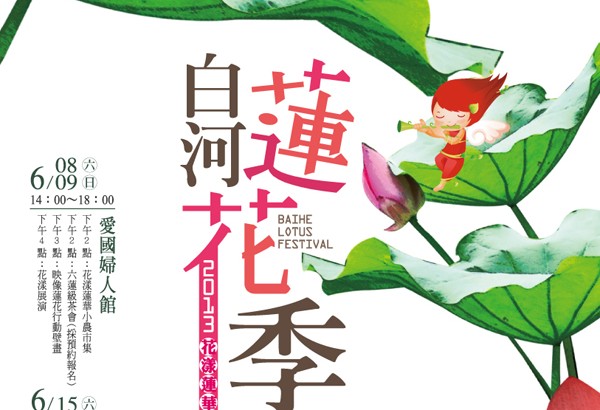
Every part of the lotus is useful: the lotus root is a common vegetable on the table, the lotus seeds can be boiled in soups or used in meals, and the lotus leaves can be used to wrap rice or make tea, so beyond their ornamental value they have considerable economic worth. In many producing areas, continuous stretches of lotus ponds have also given rise to flower-viewing tourism; the Baihe Lotus Season, for example, draws large numbers of visitors every year and boosts the local agriculture and leisure tourism.
Related Reading