Moringa Seed Characteristics, Seedling Cultivation and Application Value
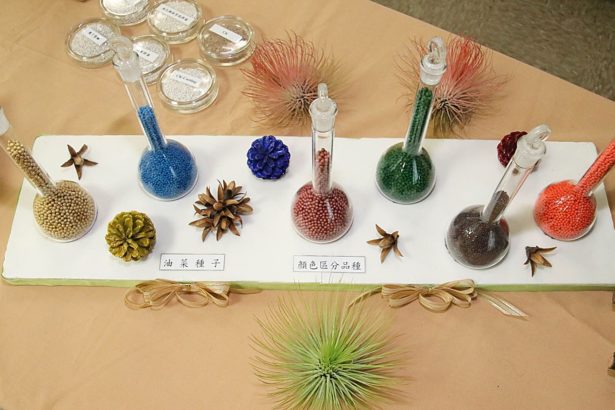
Moringa seeds are the mature seeds of Moringa, a plant in the Moringaceae family. Moringa is native to India and the hot, dry regions of Africa, and has been introduced and cultivated in many places in southern China. The seeds are mostly nearly round or oval, with a papery membranous wing along the outer edge that helps them disperse by wind, making them fairly easy to identify by appearance.
In terms of characteristics, moringa seeds are fairly rich in oil and can be pressed to extract moringa oil; the oil is clear and stores well, giving it certain uses in industry and personal care products. In addition, the seeds contain natural flocculating compounds that, once ground up, can help clarify water, which is one of the reasons moringa is often called the miracle tree.
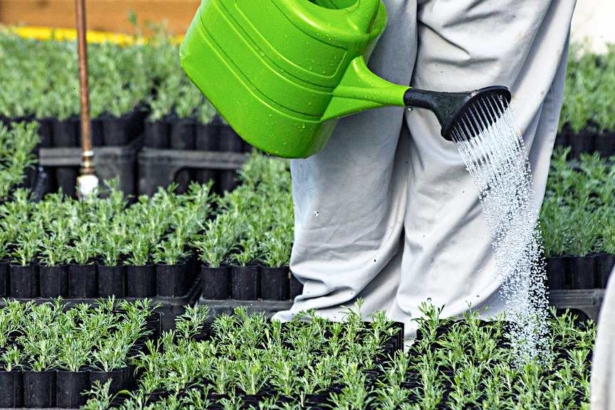
When growing moringa, it is advisable to select plump, fresh seeds of normal color, because the germination rate drops noticeably after the seeds have been stored for a long time; it is best to sow them as soon as they are harvested. Before sowing, the seeds can be soaked in warm water for a period to soften the seed coat, then sown in loose, well-drained soil. Moringa likes warmth and tolerates drought, but dislikes low temperatures and waterlogging; during the seedling stage, simply keep the soil slightly moist, and once the seedlings are established they grow fairly quickly.
Besides the seeds themselves, the tender leaves and young pods of moringa are also edible, and in some areas are used as a vegetable or supplementary food, while the seeds are mainly used for oil pressing and raising seedlings. As for common problems, if the seeds do not sprout for a long time after sowing, it is usually related to old seeds, low temperatures or overly wet soil; you can replace them with fresh seeds, raise the ambient temperature and sow again.
Related Reading