What Kinds of Insects Are There? A One-Stop Guide to Common Insect Species
Insects are the largest group of species among arthropods. An adult insect's body is divided into three parts: head, thorax and abdomen, with three pairs of legs, and most also have one or two pairs of wings. The simplest way to tell whether a little bug is an insect is to count its legs. Spiders have eight legs, and millipedes and centipedes have even more. Although they are often called bugs, they are not actually insects.
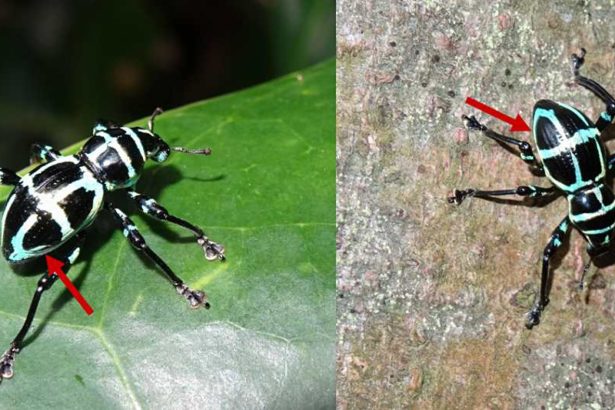
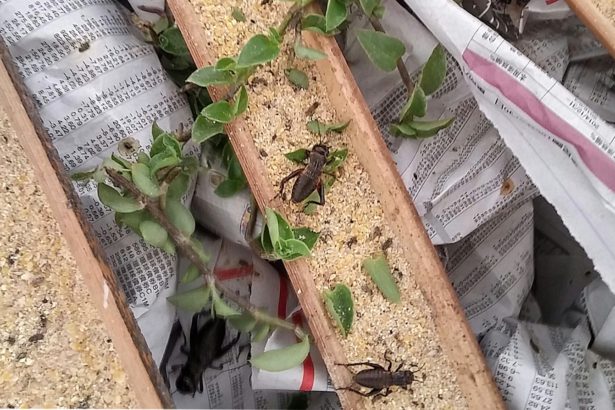
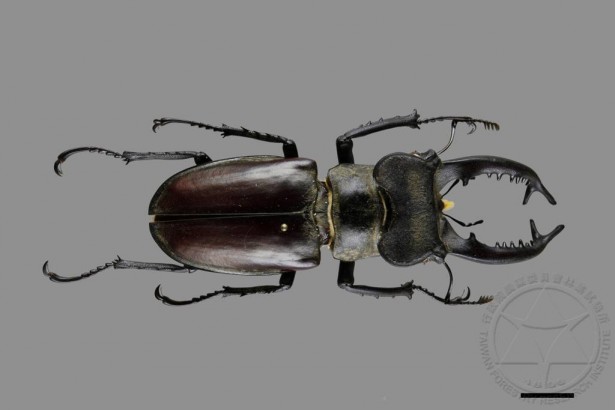
Common insects can be roughly divided into several major groups: beetles such as scarabs, longhorn beetles, rhinoceros beetles and weevils belong to the Coleoptera; butterflies and moths belong to the Lepidoptera; bees, ants and hornets are placed in the Hymenoptera; flies and mosquitoes belong to the Diptera; and crickets, locusts and katydids belong to the Orthoptera. In addition, dragonflies, damselflies, stink bugs, cockroaches, mantises, termites and others are all insects you can easily encounter in daily life.
Insects are extremely adaptable. From grasslands, forests and farmland to streamsides and deserts, they can be seen almost everywhere, and some species even build their nests in soil or wood. Their life cycles are also fascinating. Butterflies and beetles go through four stages - egg, larva, pupa and adult - which is complete metamorphosis; the nymphs of locusts and crickets look similar to the adults, which is incomplete metamorphosis.
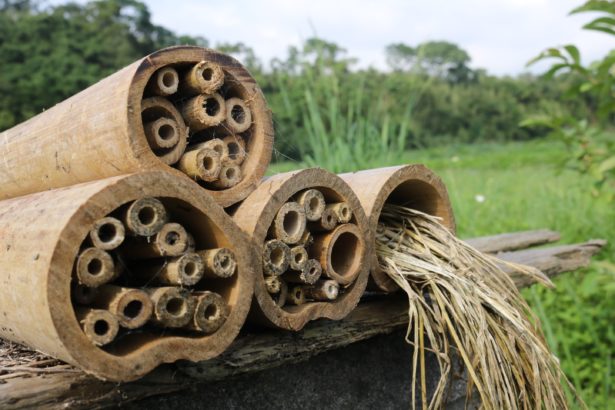
For humans, insects play multiple roles. Flower-visiting insects such as bees and butterflies help plants pollinate, while dung beetles and ants help break down organic matter and loosen the soil; but locusts, mosquitoes and others can also harm crops and affect daily life. Whether you build an insect hotel, replace catching with observing, or learn about the new trend of eating insects, understanding insect species and habits is the first step to getting closer to nature.
Related Reading