A Full Breakdown of Insect Characteristics, from Body Structure to Metamorphosis
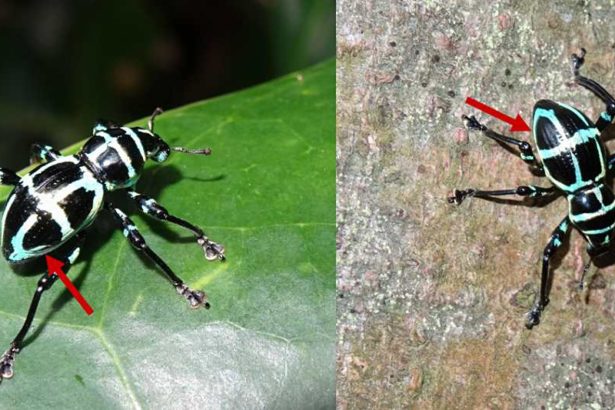
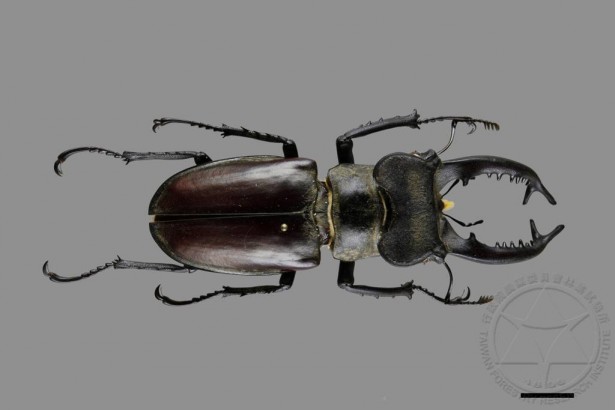
Insects are the most diverse group of animals on Earth, belonging to the phylum Arthropoda and the class Insecta. To tell whether a small animal is an insect, the most direct method is to look at its body structure and the number of its legs. A typical insect body is divided into three body segments: head, thorax and abdomen, and the thorax bears three pairs of legs, which is why insects are often called hexapods.
Besides six legs, most insects also have a pair of antennae and two pairs of wings, while the compound eyes and mouthparts are located on the head. The body surface is covered with a layer of exoskeleton, which both protects the internal organs and reduces water loss, but it also limits continuous body growth, so insects must go through multiple molts to grow gradually.
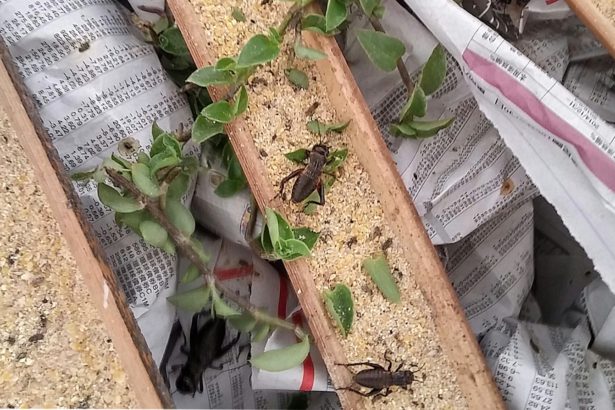
The life of an insect usually involves metamorphosis. Butterflies, beetles and bees undergo complete metamorphosis, passing through four stages: egg, larva, pupa and adult; locusts, crickets and dragonflies undergo incomplete metamorphosis, in which the nymph resembles the adult in appearance, only with wings not yet fully developed. The different modes of metamorphosis among different groups are also an important basis for identifying insects.
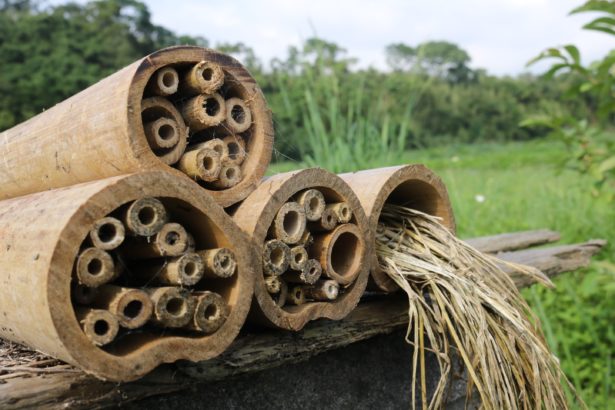
Knowing the characteristics of insects is also very practical in daily life. When observing crickets, ladybugs or butterflies in the garden, you can use the standards of three pairs of legs and a body divided into three segments to judge them; when building an insect hotel, making specimens or taking ecological photographs, you likewise need to first understand the basic structure of insects in order to observe these little lives around us more closely.
Related Reading