Home Vermicomposting: Turn Kitchen Scraps into Natural Organic Fertilizer
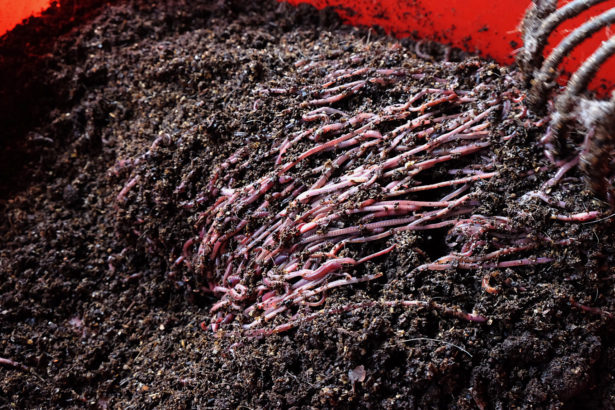
Home vermicomposting refers to a method of raising earthworms in small spaces such as balconies, courtyards, or indoors to break down kitchen scraps and organic waste. The castings that earthworms excrete while feeding are rich in humus and are commonly known as worm castings, a natural organic fertilizer much loved in gardening. This method requires simple equipment and takes up little space, making it well suited to urban households.
Home setups generally use red wiggler earthworms, which readily eat decomposed organic matter and are also known as composting worms. They breed relatively quickly and adapt well to container environments, unlike the ordinary earthworms you dig up from soil. One reminder: different earthworm species should not be mixed at will, and non-native species should not be released into the wild, to avoid harming local ecosystems.
The bin should have air holes and drainage holes, with a layer of moist shredded paper, fallen leaves, or coir at the bottom as bedding. For routine feeding, use mainly fruit peels and vegetable leaves, and avoid greasy, spicy, and overly salty foods; the amount fed should be what the worms can finish within a few days. Keep the environment cool and moist, away from direct sunlight, since too much heat or moisture can easily make the worms escape or die.
If an odor appears in the bin, it is usually because too much food was added or the food was unsuitable; you can pause feeding and turn the bedding to improve ventilation. A well-maintained worm bin is essentially odor-free, and the accumulated worm castings can be mixed into potting soil for growing flowers and vegetables, reducing kitchen waste while providing a fertilizer source for home growing, two benefits in one.
Related Reading