Small farms in Germany are run professionally, and family farming there reaches master-level standards
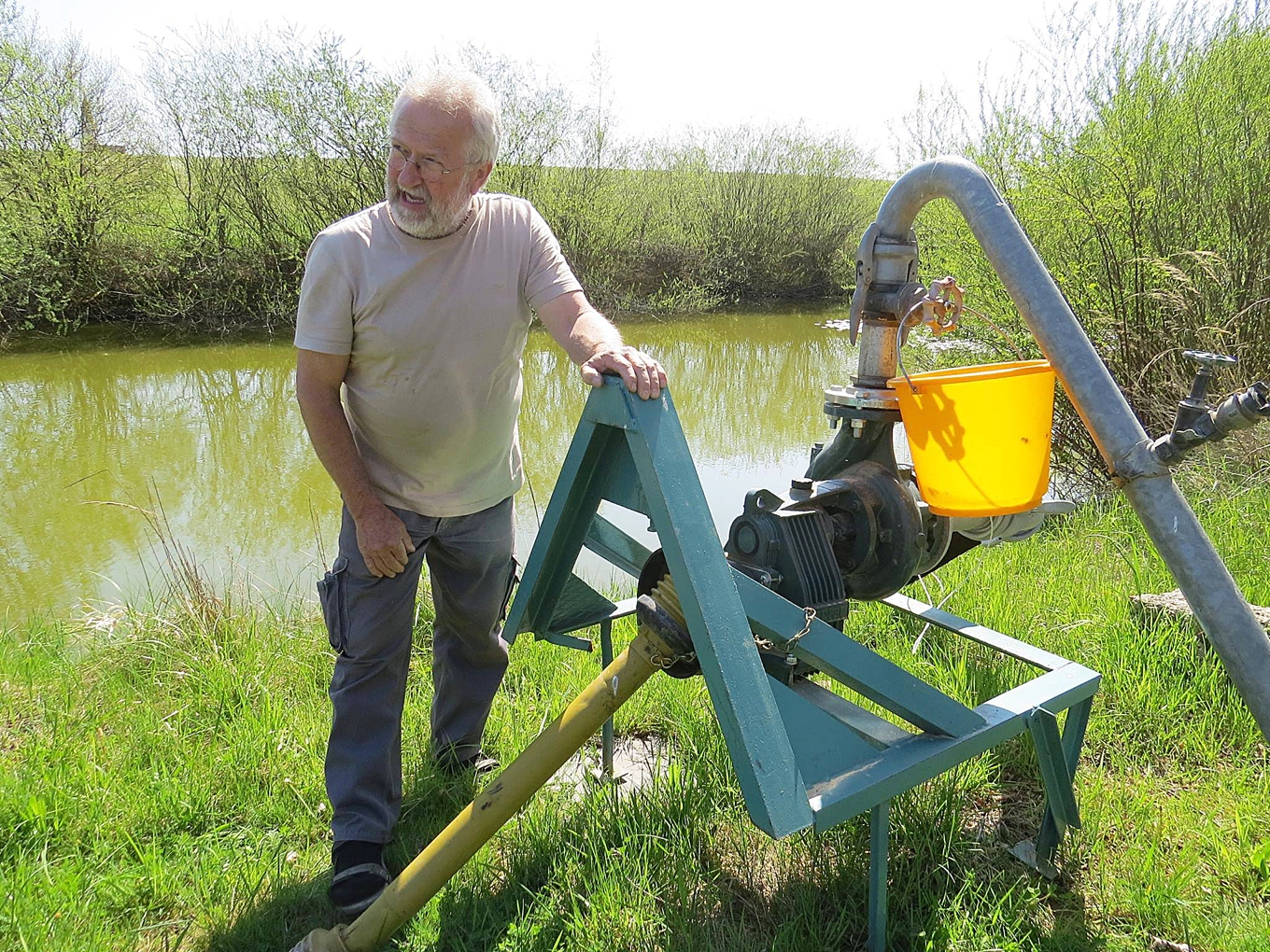
When I first arrived in Bavaria for an agricultural study tour, I faced several adjustment issues. The first was language communication: the several farmers I met could only speak German, and this problem was solved with a translator. The second was the social system, for example, farmers must obtain licenses before they can enter policy guidance; this part I could handle by reading the literature myself. But what struck me most in terms of impressions was the production content. Unlike farmers in Taiwan, China, who mostly grow crops, most small farmers in Bavaria are dairy farmers, raising dairy cattle, beef cattle, laying hens, and pigs, until I met vegetable small farmer Georg Sturm. The Sturm family has farmed for two generations. What is special is that both father and son have obtained the agricultural master craftsman diploma (Meisterbrief). Aside from hiring a few workers for certain farm tasks, the father and son also devote themselves fully to farm work; this is typical family farming.
German agriculture borrowed the apprenticeship system from the handicraft trades. Farmers attend a farmers' school, and after passing the examination they can obtain the agricultural master craftsman diploma (Meisterbrief), which allows them to take on apprentices at their own farm. In addition to status and recognition, they may also enjoy policy benefits.


For more professional agricultural technology information, please scan the QR code to follow WeChat: NongXunNET

Please indicate the source when reprinting.