Analysis of Leek Disease Control Methods: Scientifically Identifying Common Diseases
Leek disease control refers to the preventive and remedial measures taken against common diseases during the growth of leeks. Leeks grown in open fields or under protected cultivation are both susceptible to infection by fungal, bacterial and other pathogens. If not dealt with in time, this affects leaf quality and yield, and in severe cases may cause considerable losses.
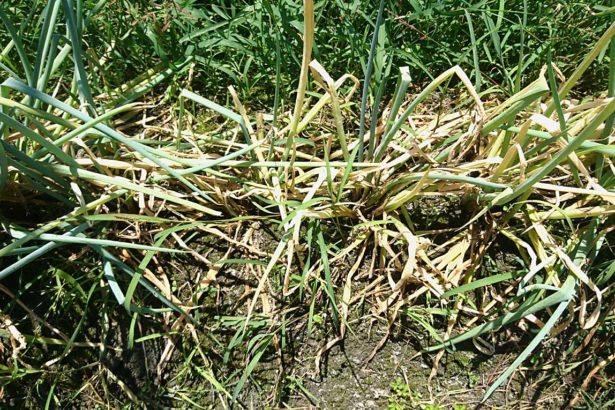
The common diseases of leeks mainly include gray mold, Phytophthora blight, rust and Fusarium wilt. Gray mold mostly occurs under low-temperature, high-humidity conditions, with gray-brown mold layers appearing on the leaves; Phytophthora blight spreads rapidly in hot, rainy seasons, and the pseudostem and leaves tend to rot; rust shows up as orange-yellow rust spots on the leaf surface, weakening photosynthesis.
For control, agricultural measures should serve as the foundation: practicing crop rotation, planting at a reasonable density, and keeping the field well ventilated and exposed to light; draining promptly during the rainy season to avoid prolonged waterlogging in the field. When fertilizing, control the amount of nitrogen fertilizer and apply more organic fertilizer and phosphorus-potassium fertilizer, which helps strengthen the plants' disease resistance. Diseased plants and leaves should be removed promptly and taken out of the field for disposal to reduce the spread of pathogens.
In the early stages of disease, targeted pesticides may be sprayed, with attention to rotating the products used to delay the development of resistance. In protected cultivation, venting should be done at the right time to lower humidity, and cleaning up field debris after each harvest can also significantly reduce the chance of disease. Only by adhering to the principle of prevention first and integrated control can leeks remain healthy and vigorous.
Related Reading