The yellow-waisted hornet often builds nests at low altitudes; take care when outdoors
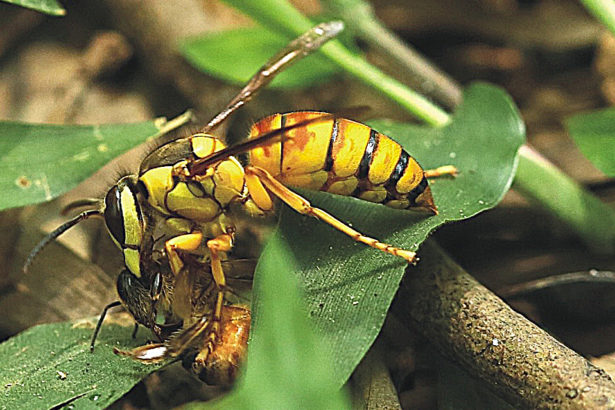
The yellow-waisted hornet is a social insect of the order Hymenoptera, family Vespidae, and is one of the wasps commonly known as hornets. It gets its name from the distinct yellow markings at the base of its abdomen. Adult wasps have a reddish-brown head and thorax, with the first two abdominal segments yellow to orange-yellow, turning blackish-brown toward the rear; overall it is a medium-sized hornet.
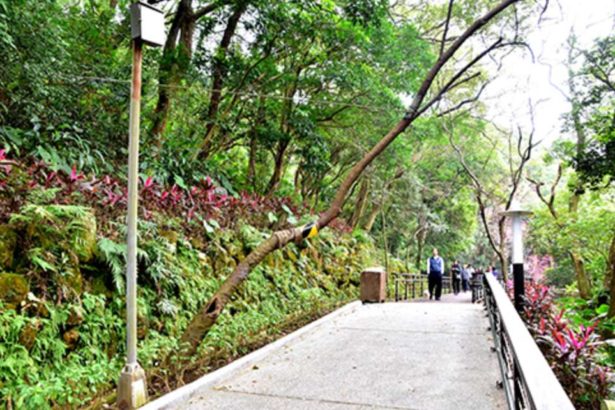
They chew plant fibers mixed with saliva to build paper-like nests, usually oval or pear-shaped, commonly found in low-altitude woodlands, orchards, parks and at the edges of farmland, and may also choose to nest near eaves, windowsills or air conditioners, giving them a high degree of overlap with human activity areas. The colony is founded by the queen each spring, the number of workers gradually increases in summer, and the colony reaches its peak size after the arrival of autumn.
Compared with some more aggressive hornets, the yellow-waisted hornet is relatively gentle in temperament and seldom attacks people on its own, but once its nest is disturbed it will still mount a group defense. Its stinger can sting repeatedly; after being stung, besides local redness, swelling and pain, a small number of people with allergic constitutions may experience systemic symptoms such as dizziness and difficulty breathing, and should seek medical attention as soon as possible.
Ecologically, the yellow-waisted hornet preys on caterpillars and other small insects, helping to suppress agricultural and forestry pests, and adult wasps also visit flowers to feed on nectar, incidentally playing a pollination role. If you encounter one in the wild, simply keep your distance and walk away slowly; do not swat at it or wave your hands to drive it away. If you find a nest near your home, it is advisable to contact professionals to deal with it; never remove it yourself and risk being swarmed by the colony.