Introduction to Seed Selection, Germination Promotion, and Cultivation Key Points for Astragalus (Huangqi)
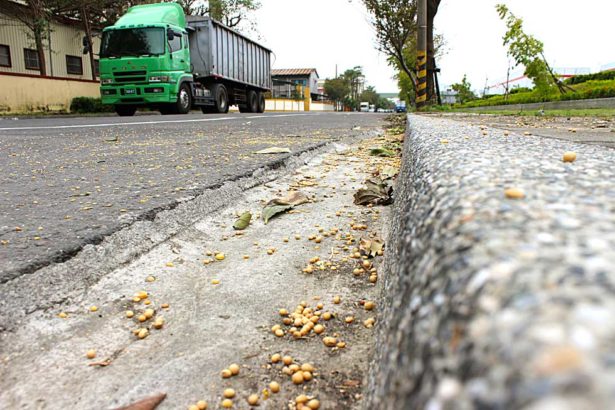
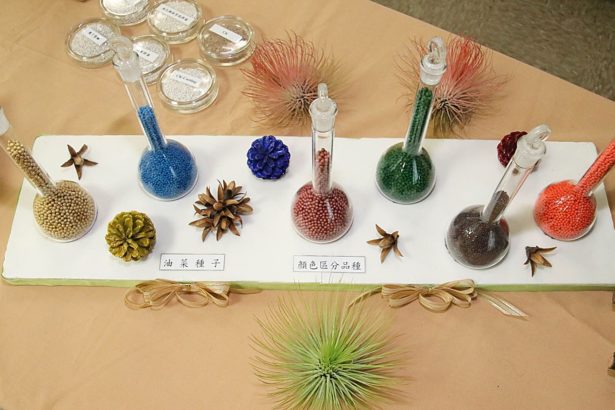
Astragalus (Huangqi) is a perennial herbaceous plant in the Fabaceae family and a traditional bulk Chinese medicinal material; its seeds are the most important propagation material in artificial cultivation. Astragalus seeds are flat and round or slightly kidney-shaped, with the seed coat mostly brown to blackish brown, hard in texture, and poor in water permeability, showing an obvious hard-seed phenomenon, so germination promotion treatment is generally required before sowing.
When selecting seeds, choose plump, mature grains with normal color and free from mold and insect damage. To improve the germination rate, warm water soaking is commonly used in production; the seed coat can also be lightly rubbed with fine sand or other scarification methods can be used to let water enter more easily, and sowing after the seeds absorb water and swell will result in more uniform seedling emergence.
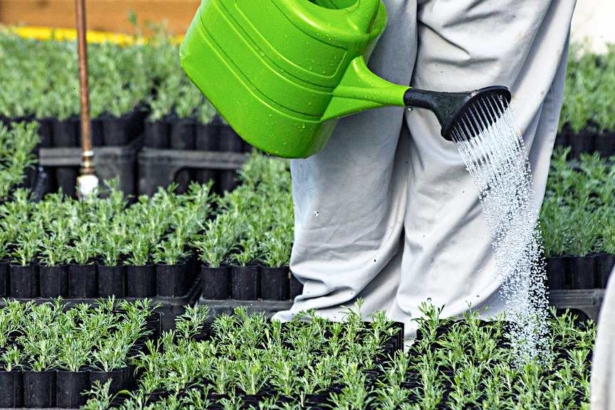
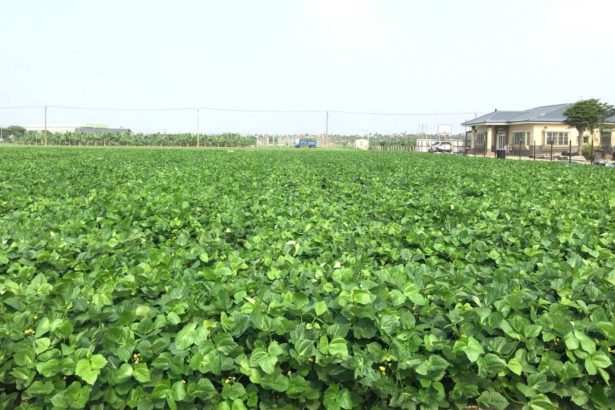
Astragalus is suitable for planting in deep, well-drained sandy loam soil and dislikes waterlogging. Drilling is mostly adopted, and after sowing a shallow layer of soil is covered and the soil is kept moist. During the seedling stage, thinning and weeding should be done in time; during the growing period, attention should be paid to controlling common diseases such as powdery mildew and root rot, and avoiding continuous cropping helps reduce soil-borne diseases.
Astragalus is used medicinally for its root, and its growth cycle is relatively long, requiring patient management. Seed quality directly affects the emergence rate and plant growth, so when purchasing it is advisable to choose reputable seed suppliers through proper channels and to pay attention to appearance and freshness, laying a good foundation for subsequent planting.
Related Reading