The key points of flower cultivation techniques are the foundation for growing flowers well
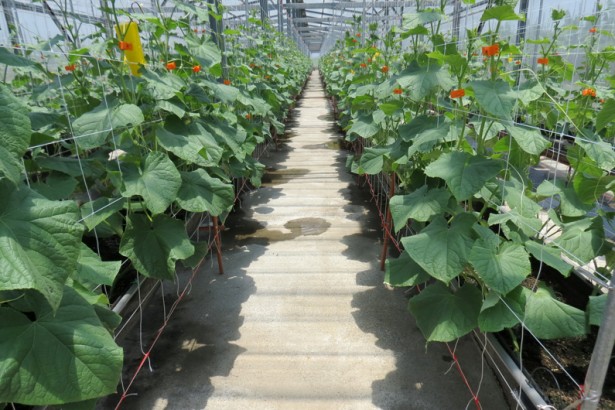
Flower cultivation techniques refer to a series of methods for arranging conditions such as soil, light, temperature, water, and fertilizer around the growth habits of flowers. They are suitable both for home potted plants and are also widely used in large-scale production in nurseries, greenhouses, and similar settings. Mastering these techniques can make flowers grow more vigorously and bloom more abundantly, and can also reduce losses caused by pests and diseases.
In practice, the soil should be loose, breathable, and well-draining. Most flowers are suited to a mix of leaf mold, garden soil, and an appropriate amount of organic fertilizer. Watering should follow the principle of watering when dry and allowing the soil to dry between waterings, avoiding prolonged waterlogging that can cause root rot. Light and temperature should match the habits of the variety: sun-loving flowers should be placed in a sunny spot, while shade-tolerant varieties need appropriate shading. Fertilization should use light applications applied frequently, supplementing nutrients appropriately during the growing season and reducing or stopping fertilization during dormancy.
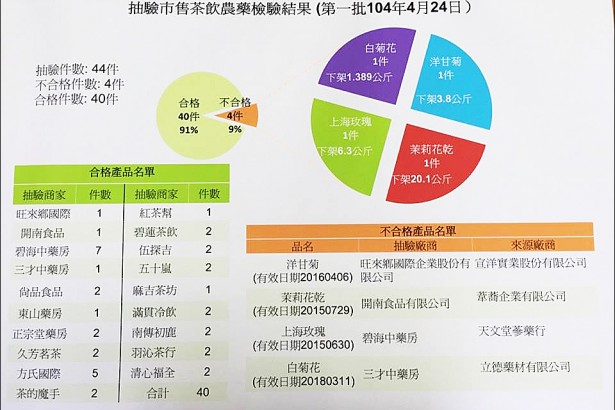
Pest and disease control is an important part of flower cultivation. Common problems include aphids, spider mites, powdery mildew, and root rot. Control emphasizes prevention first, paying attention to ventilation and light penetration and promptly cleaning up fallen branches and leaves. When pests are found, physical or biological methods should be used first. If medication is truly needed, compliant products should be chosen and the pre-harvest interval strictly observed to avoid pesticide residues affecting ornamental value and food safety.
With the development of the flower economy, cultivation techniques also support related industries such as festival displays and export trade. Many regions use flower festivals to expand their influence, and high-quality flowers are sold far overseas. For ordinary enthusiasts, learning these techniques well can also let them enjoy flowers in all four seasons at home.
Related Reading