Characteristics and Habits of the Black-bellied Hornet: Stay Alert When Active in Mountain Areas
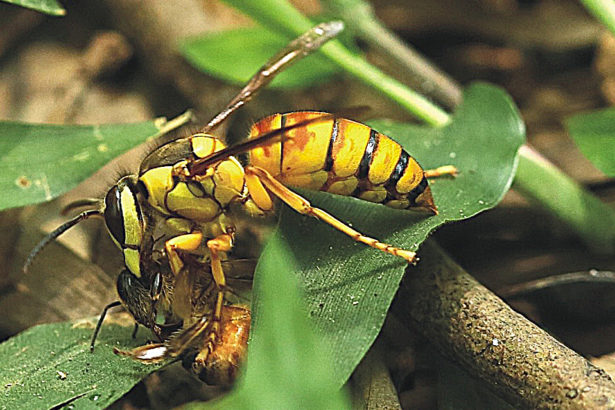
The black-bellied hornet is a species of wasp in the family Vespidae of the order Hymenoptera. It is distributed in Taiwan, China and parts of Asia, and is also one of the quite common hornets in the mountain areas of Taiwan, China. Its thorax is reddish brown, and most of its abdomen is blackish brown, which is the origin of the name "black-bellied." Although its body size is on the smaller side among hornets, it is fierce in temperament, and its aggressiveness ranks among the top of its kind, so it is often regarded as a relatively dangerous species of wasp.
The black-bellied hornet is a social insect. The queen that has overwintered begins building a nest in spring, and the colony population peaks between summer and autumn. The nest is built from plant fibers mixed with saliva, has a papery texture, and is mostly built on shrubs, in grass, or on relatively low branches; sometimes it is also placed in a concealed spot close to the ground. Adult wasps feed on nectar and tree sap, and also prey on other insects, playing the role of predator in the ecosystem.
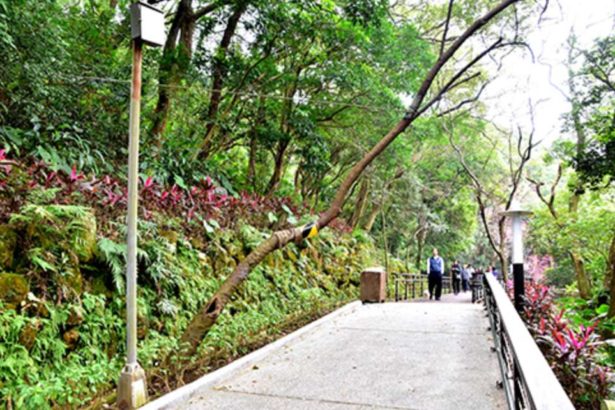
This wasp is very sensitive to disturbance. Once the nest is shaken or someone approaches, the colony may chase in groups, so it is one of the species more often mentioned in wasp sting incidents in Taiwan, China. Autumn is exactly the stage when the colony is at its most vigorous. When hiking, camping, or doing farm work, avoid wearing dark clothing and using strongly scented products, and do not deliberately swat or disturb the wasps. When a nest is found, keep a distance and detour around it. If a wasp is circling nearby, it is best to lower your body and slowly leave; never wave your hands to drive it away or run and charge.
In the beekeeping industry, the black-bellied hornet often hovers at the entrance of beehives waiting for a chance to catch honeybees, and has always been a headache for beekeepers, so mountain apiaries mostly install anti-wasp facilities. Understanding its physical characteristics, nesting habits, and active season has practical reference value both for the outdoor safety of the general public and for beekeeping management.